Year-Round Lawn Care and Snow Removal for Sycamore Homeowners
Protecting Sycamore Lawns Through Harsh Northern Illinois Winters
Sycamore sits at the intersection of historic residential stock and active new construction, and both property types present distinct lawn and snow challenges. Older homes in and around the downtown corridor often feature mature tree canopies that create heavy shade conditions, thick root competition, and significant leaf volume each fall. These properties demand turf programs that account for reduced sunlight, increased moisture retention, and the fungal pressures that follow. Newer subdivisions on the east and south edges of town bring their own issues. Recently graded lots frequently have thin topsoil over compacted clay subgrade, which makes establishing healthy root systems difficult without proper aeration and overseeding schedules. Summer heat stress hits these exposed, treeless yards harder than established neighborhoods where canopy cover provides natural temperature regulation. When winter arrives, property layout differences become even more pronounced. Historic homes tend to have narrow driveways, uneven sidewalks, and tight setbacks that require careful plowing to avoid damaging aged concrete and landscape features. Newer developments have wider driveways and straighter approaches, but their longer driveway runs and open exposure mean more snow accumulation per storm event. Sycamore homeowners who try to manage both seasonal demands independently often find that the transitions between summer lawn care and winter snow removal are where maintenance lapses occur. Leaves go uncleared before the first freeze, or spring cleanup gets delayed because snow removal consumed all available time and energy through March.
How Sycamore Property Layouts Shape Maintenance Demands
Maintaining property appearance and safe access through the full calendar year requires a systematic approach that accounts for how Sycamore weather actually behaves rather than how seasonal averages suggest it should. Spring arrives unevenly in Northern Illinois, with warm stretches in March that trigger early growth followed by hard freezes in April that damage turf already pushing new blades. Properties that received premature spring fertilization during those warm spells often suffer worse freeze damage than lawns that were left alone. Understanding when to act and when to wait separates effective maintenance from wasted effort. Through the summer months, the primary maintenance challenge shifts to managing growth rates that vary dramatically across a single property. Shaded areas under mature trees may need mowing every ten days, while full-sun sections along south-facing exposures require weekly cutting to prevent overgrowth. A uniform mowing schedule applied to an entire yard either leaves some sections too long or cuts others too short, and both outcomes stress the turf. Fall cleanup in Sycamore neighborhoods can be substantial. The combination of shade trees, ornamental plantings, and perennial beds common on older properties generates a large volume of organic debris that must be removed before the first snowfall buries it. Leaves left on turf through winter create ideal conditions for snow mold and other fungal diseases that compromise spring green-up. Once winter sets in, snow response times matter more than anything else. Clearing needs to happen before foot traffic compacts accumulation into ice layers that resist salt treatment and create persistent hazard conditions on walkways and steps.
Weekly Mowing and Seasonal Lawn Programs for Sycamore
Sycamore lawns benefit from mowing programs that recognize the meaningful differences between older neighborhoods and newer developments. Properties within walking distance of the historic downtown tend to have irregular lot shapes, mature root systems competing for moisture, and shade patterns that shift throughout the day as the sun moves around established canopy cover. Mowing these yards at the proper height matters more than frequency, because shaded turf grows slower and cutting it on the same schedule as full-sun lawns creates chronic stress. Newer construction areas along the growth corridors feature more uniform lot layouts and open sun exposure that drives faster, more aggressive growth during the peak summer months. These properties need consistent weekly service from May through September and frequently benefit from bi-weekly mowing into October when fall growth resumes after summer heat breaks. The transition between summer and fall growth patterns catches many homeowners off guard, and turf that was healthy in August can deteriorate quickly if mowing intervals are not adjusted as conditions change. String trimming, hard-edge cutting, and obstacle navigation happen as part of every service visit. Landscape beds, driveways, sidewalks, and utility infrastructure all create boundaries that collect weed growth and debris when left unattended. Maintaining clean edges prevents encroachment and keeps properties looking intentional rather than neglected. Fertilization programs follow Zone 5a timing with emphasis on fall root-building applications that prepare turf for the extended dormancy period. Spring treatments are timed to soil temperature rather than calendar dates, because applying fertilizer to cold soil wastes product and risks runoff into the local watershed.
Driveway Snow Removal and De-Icing in Sycamore
Winter snow management in Sycamore starts with understanding that property layouts across the city create different clearing challenges depending on the age and style of the neighborhood. Historic homes near the downtown core often have narrow driveways that run tight against the house on one side and a property line on the other, leaving minimal room for snow stacking and requiring precise plow work to avoid damaging structures and fencing. Newer developments feature wider driveways and three-car garage aprons that collect more snow per storm event but offer better staging areas for accumulation management. Trigger depth protocols activate crews when accumulation reaches the threshold that makes driving and walking hazardous rather than waiting for a storm to finish. This approach is critical during multi-day events common in Northern Illinois, where waiting for the final flake means clearing eight or ten inches of settled snow instead of managing two or three inches at a time. Multiple passes during heavy storms keep surfaces accessible throughout the event rather than creating a single massive clearing operation afterward. Sidewalk and walkway clearing receives equal priority to driveway plowing. The path from the front door to the street and from the house to the mailbox needs to be passable after every storm, and ice management on steps, landings, and transition areas between surfaces prevents the slip-and-fall hazards that create liability exposure for property owners. De-icing products are selected based on storm temperatures and applied at rates calibrated to protect adjacent landscaping while achieving safe surface conditions. Salt damage to turf edges and foundation plantings is a real concern that gets addressed through product selection and application technique.
Fall and Spring Cleanup for Sycamore Homes
Comprehensive seasonal service in Sycamore covers the transitions between active lawn care and winter snow management that create the most vulnerability for property condition. The fall transition window is critical. Leaf removal must happen before the first snow buries debris on the turf surface, but it also must happen late enough that the majority of leaf drop has occurred. Moving too early means a second cleanup pass that adds cost without benefit, while waiting too long risks the first snowfall trapping leaves against the turf and creating conditions for snow mold development. Spring transitions carry similar importance. The window between final snowmelt and first mow is when most turf damage gets either addressed or ignored, and the choice determines lawn quality for the entire growing season. Winter salt residue along driveway edges and walkway margins needs to be flushed before it burns root systems, and debris that accumulated under the snow needs removal before new growth starts pushing through it. Dethatching and early aeration open the soil surface and allow the combination of warmth and moisture to reach the root zone where recovery actually happens. These transition services are not supplementary add-ons to lawn care and snow removal. They are the connective tissue that determines whether each seasonal program starts from a position of health or deficit. Properties that receive consistent transition care maintain better appearance, require fewer corrective treatments, and cost less to maintain over the full calendar year than properties where seasonal services operate independently. One crew, one provider, and one continuous relationship with each property delivers results that disjointed seasonal contracts cannot match.
Comprehensive Lawn Care And Snow Removal Services in Rochelle
Tailored to Your Needs
From the first mow of spring through the last snowfall of winter, we provide complete residential property maintenance for Rochelle and surrounding Northern Illinois communities. Each service is designed for the specific challenges of Zone 5a cool-season lawns and Northern Illinois winter conditions. Whether you need weekly lawn mowing, seasonal cleanup, or reliable snow clearing after every storm, our local crews deliver consistent results you can count on all year.
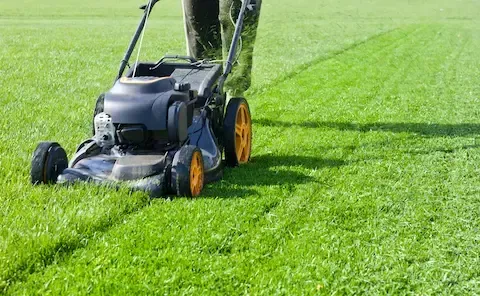
Weekly and biweekly lawn mowing tailored to Rochelle's cool-season grass growing conditions.
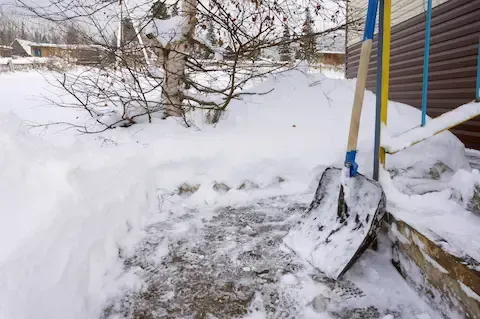
Safe front entrance access after every Rochelle snowstorm with clearing and de-icing treatment.
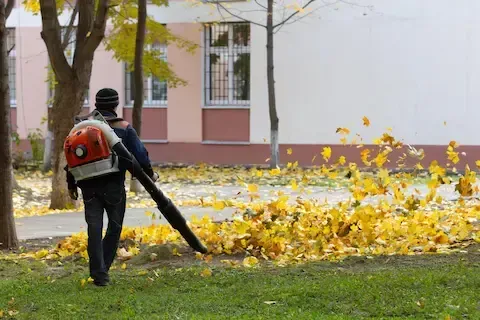
Complete fall leaf removal and property cleanup to protect Rochelle lawns before winter.
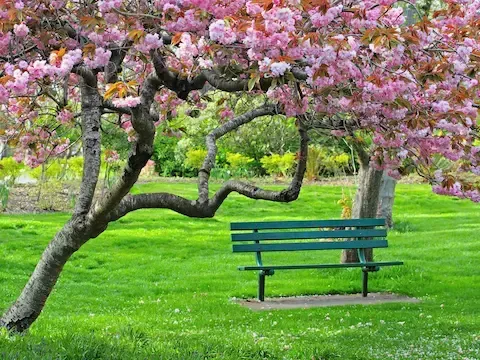
Post-winter debris removal and lawn recovery to start the Rochelle growing season right.
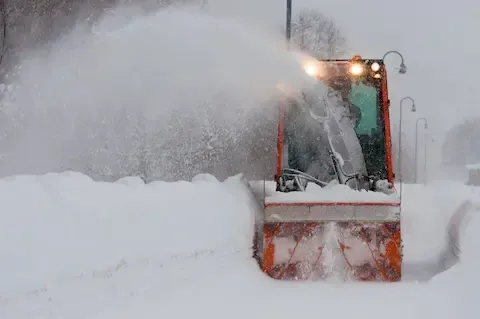
Full-property residential snow removal with automatic deployment after every Rochelle storm.
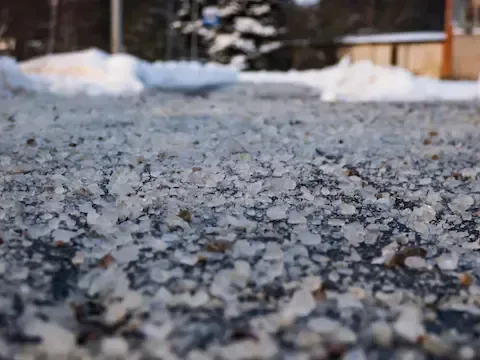
Professional de-icing treatment that works in Rochelle's coldest winter temperatures.
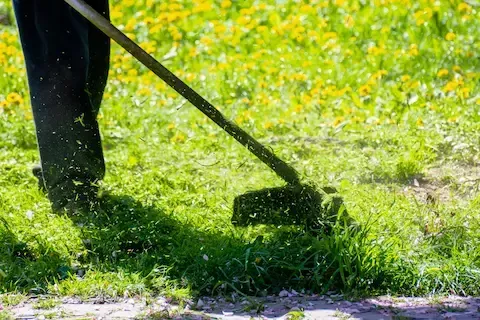
Professional lawn edging and trimming for clean borders on every Rochelle property.
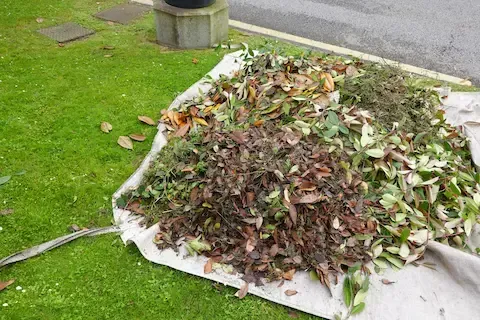
Storm debris removal and yard waste cleanup for Rochelle residential properties.
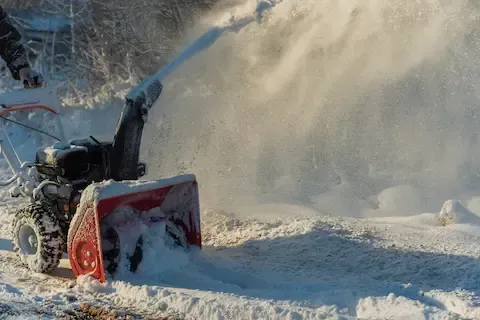
Complete driveway snow clearing including apron access for Rochelle residential properties.
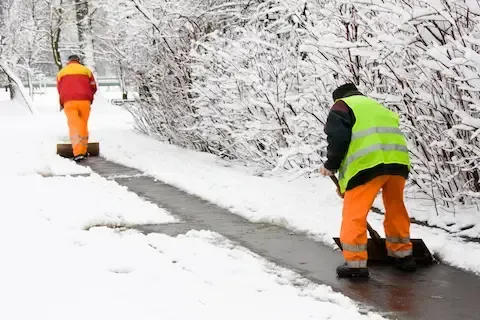
Sidewalk clearing and de-icing to keep Rochelle property frontages safe and compliant.
Frequently Asked Questions
Lawn Care And Snow Removal can be complex, and we’re here to provide answers to common questions. Here are some frequently asked questions from our clients.
Frequently Asked Questions about Lawn Care & Snow Removal
How often should my lawn be mowed in Rochelle?
Most Rochelle lawns need weekly mowing from late April through October. During the peak growing season in June and July, cool-season grasses like Kentucky bluegrass and tall fescue grow aggressively in our Zone 5a climate. We adjust our mowing schedule based on actual growth rates rather than a fixed calendar, which keeps your lawn healthier through the Northern Illinois heat.
When should I sign up for snow removal in Rochelle?
We recommend starting snow removal services before the first significant snowfall, which typically hits Rochelle in late November or early December. Signing up for a seasonal contract before the snow flies ensures priority response when storms roll through the I-39 corridor. Our crews are staged and ready to deploy as soon as accumulation reaches your trigger depth.
What is the best time to fertilize my lawn in Northern Illinois?
The best time to fertilize lawns in Rochelle is early fall, typically mid-September through mid-October. This gives cool-season grasses the nutrients they need to build strong root systems before winter dormancy. We also recommend a light spring application once soil temperatures consistently reach 55 degrees, which usually happens in late April around here.
How much does lawn care cost in Rochelle IL?
Our pricing depends on lawn size, service frequency, and specific treatments needed. Rochelle properties typically range from compact residential lots near downtown to larger parcels on the outskirts toward Creston and Steward. We provide free on-site estimates so we can assess your specific property conditions including slope, obstacles, and turf health before quoting.
Do you offer both lawn care and snow removal?
Absolutely. Rochelle gets an average of 30 to 35 inches of snow each winter, and our combined lawn and snow service keeps your property maintained year-round. Most of our lawn care clients transition directly into snow removal contracts so there is no gap in service. One crew, one company, twelve months of coverage.
What areas do you service near Rochelle?
We service Rochelle and surrounding communities along the I-88 and I-39 corridors including DeKalb, Sycamore, Oregon, Byron, and Dixon. Our crews are based locally which means faster response times during winter storms and consistent weekly service during the growing season. All properties within our service area receive the same level of care and attention.
Need Lawn Care And Snow Removal?
What Our Satisfied Clients Have to Say About Rochelle Lawn & Snow
We pride ourselves on delivering great results and experiences for each client. Hear directly from home and business owners who’ve trusted us with their Lawn Care And Snow Removal needs.

We switched to them last year for both lawn and snow and it has been the best decision. One company handles everything and our yard has never looked better. They were at our driveway clearing snow before we even woke up after that big January storm.
Rochelle Homeowner
I used to worry every November about finding someone reliable for snow removal. Now I just know it is handled. They transition right from mowing to plowing and I do not have to think about it. Excellent communication and always on time.
DeKalb Resident
Professional crew that actually knows what they are doing. They adjusted the mowing height for our bluegrass lawn and it made a huge difference by midsummer. The fall cleanup was thorough and they had us ready for winter ahead of schedule.
Sycamore Property Owner
The Trusted Lawn Care And Snow Removal Expert Near You
Ready to hear more about expert services at Rochelle Lawn & Snow?
Contact us today to receive a detailed, no-obligation quote.

Serving Rochelle & the surrounding area
24/7
