
Lawn Care and Snow Removal Built Around How Dixon Properties Age
Tackling Lawn Stress and Snow Load on Aging Dixon Infrastructure
Residential properties throughout Dixon reflect decades of building across multiple eras, and that age diversity creates a layered set of maintenance challenges. Older neighborhoods near the downtown core feature smaller lots with mature landscaping, aging concrete walkways, and driveway surfaces that have settled and cracked over time. These properties need lawn care programs that work around established root systems and snow removal approaches that avoid further damaging deteriorated hardscapes. Newer developments along the corridors leading toward the interstate feature larger lots with open exposure and recently planted turf that has not yet developed the deep root systems needed to survive Northern Illinois summers without supplemental care. The clay soils common across the Rock River floodplain in Lee County create additional complications. Water tables shift seasonally, which means the same yard that floods during spring thaw can bake to concrete hardness by late July. Turf management programs that do not account for these extremes produce inconsistent results regardless of how much fertilizer or seed gets applied. Mowing schedules, aeration timing, and fall overseeding all need to respond to what the soil and weather are doing in real time. Dixon winters bring sustained cold and steady snow accumulation that tests every property access point. Driveways, walkways, and steps all need prompt clearing to maintain safe passage, and the freeze-thaw cycles common in late winter create ice conditions that persist for days without proper treatment. Consistent year-round service from a single crew familiar with each property layout delivers better results than seasonal patchwork from multiple providers.
Dixon Properties and the Year-Round Maintenance Cycle
Effective property care across Dixon requires understanding how the local landscape interacts with each season to create conditions that demand timely response. The Rock River influences humidity levels and frost patterns across much of the developed portion of town, which means properties just a few blocks apart can experience meaningfully different growing conditions and freeze timing. Lawns on higher ground away from the river corridor dry out faster in summer and freeze earlier in fall, while low-lying parcels closer to the floodplain stay wetter longer and resist mowing equipment when soil stays soft into late spring. These differences mean that effective lawn care in Dixon cannot follow a single template applied uniformly across all properties. Mowing heights, fertilization schedules, and aeration timing need to respond to what each individual property is actually experiencing rather than relying on a standardized program designed for average conditions. Properties that receive customized seasonal care maintain better density, fewer weed problems, and more consistent appearance through the growing season. The same property-specific approach applies to winter maintenance. Driveway slopes, pavement conditions, and exposure patterns vary across Dixon neighborhoods, and each factor changes how snow accumulates, how ice forms, and what clearing methods produce the best results without damaging surfaces. Older driveways with raised joints and cracked sections need adjusted plow settings to avoid catching edges, while newer sealed surfaces allow more aggressive blade contact for cleaner results. Working with one provider who learns each property through repeated seasonal service eliminates the trial-and-error cycle that damages surfaces and frustrates homeowners.
Residential Lawn Mowing and Turf Care Across Dixon
Mowing and turf management across Dixon addresses the reality that properties here span multiple decades of construction and multiple soil conditions within a relatively compact geographic area. Downtown neighborhoods feature small lots with mature trees, aging infrastructure, and root competition that limits how aggressively turf can be maintained. Moving outward from the core, lot sizes increase and sun exposure opens up, but soil conditions shift as elevation and proximity to the Rock River floodplain change drainage characteristics from one block to the next. Effective mowing programs treat each property as its own microenvironment rather than running the same schedule and settings across every yard on the route. Cutting height adjustments between shaded and sun-exposed sections of the same property prevent the chronic stress that creates bare spots and weed invasion. Trimming around obstacles receives the same attention as open-area mowing because neglected edges become the entry points for crabgrass, dandelion, and clover establishment. Once weeds colonize the perimeter, they advance into the main turf area faster than most homeowners realize, and the remediation cost exceeds what consistent edge maintenance would have prevented. Seasonal programs incorporate aeration, overseeding, and fertilization timed to Dixon soil temperature data rather than generic Northern Illinois calendars. The Rock River corridor moderates temperatures slightly compared to surrounding upland areas, which shifts optimal application windows by a week or more in both spring and fall. These small timing differences produce meaningful results over the course of a full growing season and separate effective programs from generic service.
Dixon Snow Clearing and Winter Surface Treatment
Snow removal across Dixon requires adapting to property conditions that range from tight downtown lots with deteriorating pavement to newer subdivision driveways with clean, flat surfaces. Older residential areas near the city center present narrow approaches, cracked concrete, and uneven joint lines that catch plow blades if equipment settings are not adjusted to the specific surface. These properties need a lighter touch with elevated blade heights and careful attention to surface transitions between driveway and sidewalk materials. Newer developments on the outskirts allow more standard clearing approaches, but longer driveway runs and wider aprons mean more accumulation per storm event that requires efficient equipment routing. Trigger depth deployment ensures crews are clearing snow while it is still manageable rather than waiting for the full storm deposit to accumulate and bond to the pavement. During extended multi-day storm events, multiple passes keep surfaces accessible rather than requiring a single massive clearing operation that takes hours per property. This approach significantly reduces ice formation because snow does not have time to melt and refreeze on the pavement surface between clearing cycles. De-icing follows every clearing pass using products selected for the actual temperature conditions. Dixon winters regularly produce stretches where overnight lows drop below fifteen degrees, which is the point where standard rock salt becomes ineffective. Calcium chloride blends maintain melting action through those cold snaps and provide safer walking surfaces on steps, landings, and walkways. Application rates are calibrated to the conditions rather than using a default spread pattern, which reduces product waste and protects turf edges and foundation plantings from excessive salt exposure.
Seasonal Transitions and Year-Round Dixon Property Care
Year-round property maintenance across Dixon treats each season as preparation for the next rather than as a standalone service period. Spring cleanup addresses the accumulated effects of winter: salt residue along hardscape edges, debris trapped against foundations and fences, and compacted soil that needs relief before new growth can establish. These tasks set the foundation for everything that follows. A lawn that enters the growing season with unresolved winter damage carries that deficit through June, July, and August as compounding problems that become progressively more expensive to correct. Through the active growing months, consistent mowing, trimming, and seasonal fertilization build turf density and root strength that improve the property's ability to survive the next winter. Every mowing visit at the proper height, every trimming pass along edges and obstacles, and every fertilization application timed to Dixon soil conditions contributes to a cumulative improvement in property condition. The fall transition closes the growing season with intention. Leaf removal, gradual height reduction through final mowing passes, and late-season aeration with overseeding prepare the turf for dormancy in the strongest possible condition. These fall services directly determine how well the lawn recovers the following spring and how much corrective work will be needed. Winter snow removal then operates as the final phase of a continuous cycle rather than a separate service that begins in isolation. Crews already familiar with each property from months of lawn care service transition to snow clearing with full knowledge of surface conditions, obstacle locations, and access requirements. One provider managing every phase means no gaps, no missed transitions, and consistent property condition throughout every season.
Comprehensive Lawn Care And Snow Removal Services in Rochelle
Tailored to Your Needs
From the first mow of spring through the last snowfall of winter, we provide complete residential property maintenance for Rochelle and surrounding Northern Illinois communities. Each service is designed for the specific challenges of Zone 5a cool-season lawns and Northern Illinois winter conditions. Whether you need weekly lawn mowing, seasonal cleanup, or reliable snow clearing after every storm, our local crews deliver consistent results you can count on all year.
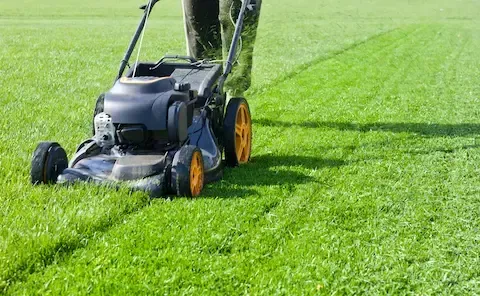
Weekly and biweekly lawn mowing tailored to Rochelle's cool-season grass growing conditions.
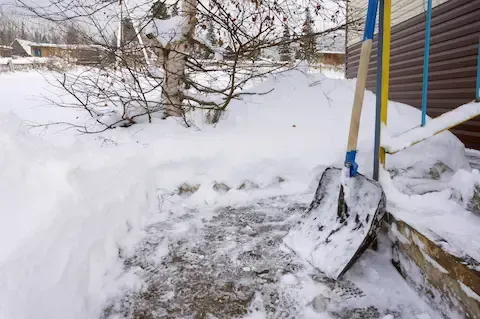
Safe front entrance access after every Rochelle snowstorm with clearing and de-icing treatment.
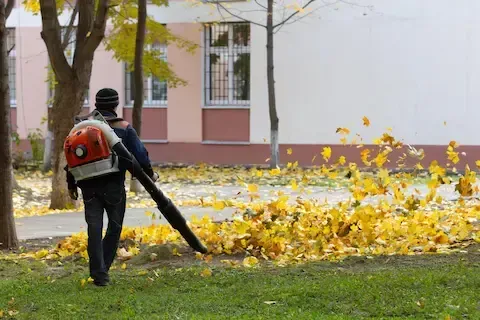
Complete fall leaf removal and property cleanup to protect Rochelle lawns before winter.
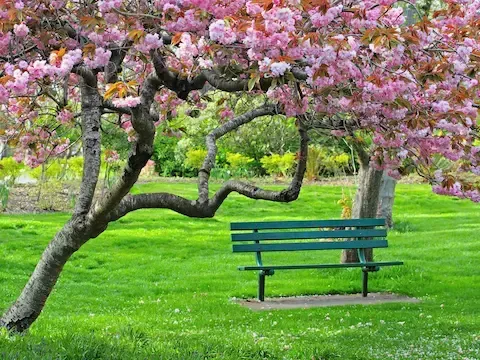
Post-winter debris removal and lawn recovery to start the Rochelle growing season right.
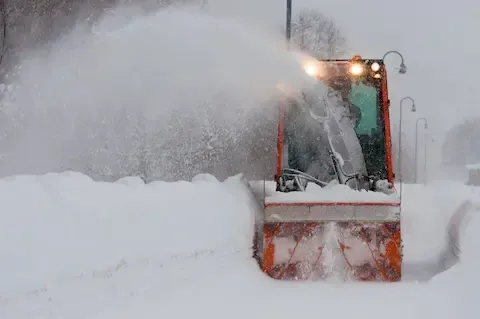
Full-property residential snow removal with automatic deployment after every Rochelle storm.
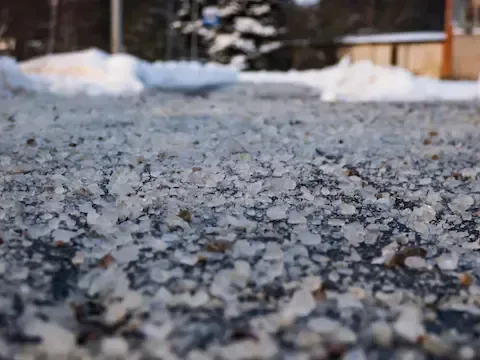
Professional de-icing treatment that works in Rochelle's coldest winter temperatures.
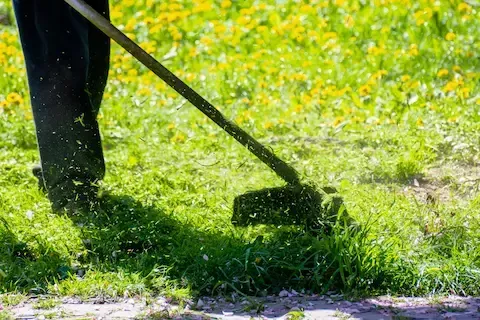
Professional lawn edging and trimming for clean borders on every Rochelle property.
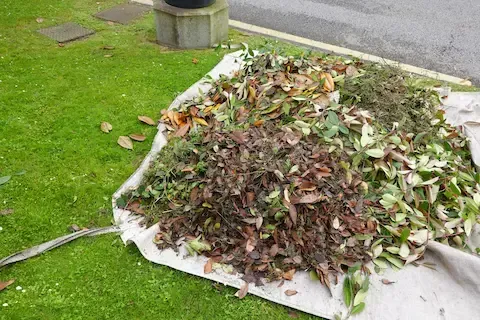
Storm debris removal and yard waste cleanup for Rochelle residential properties.
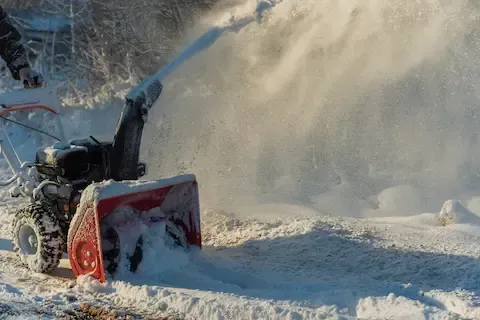
Complete driveway snow clearing including apron access for Rochelle residential properties.
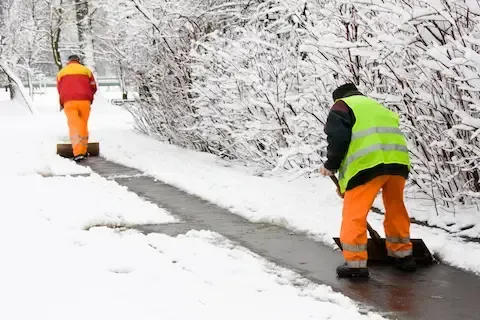
Sidewalk clearing and de-icing to keep Rochelle property frontages safe and compliant.
Frequently Asked Questions
Lawn Care And Snow Removal can be complex, and we’re here to provide answers to common questions. Here are some frequently asked questions from our clients.
Frequently Asked Questions about Lawn Care & Snow Removal
How often should my lawn be mowed in Rochelle?
Most Rochelle lawns need weekly mowing from late April through October. During the peak growing season in June and July, cool-season grasses like Kentucky bluegrass and tall fescue grow aggressively in our Zone 5a climate. We adjust our mowing schedule based on actual growth rates rather than a fixed calendar, which keeps your lawn healthier through the Northern Illinois heat.
When should I sign up for snow removal in Rochelle?
We recommend starting snow removal services before the first significant snowfall, which typically hits Rochelle in late November or early December. Signing up for a seasonal contract before the snow flies ensures priority response when storms roll through the I-39 corridor. Our crews are staged and ready to deploy as soon as accumulation reaches your trigger depth.
What is the best time to fertilize my lawn in Northern Illinois?
The best time to fertilize lawns in Rochelle is early fall, typically mid-September through mid-October. This gives cool-season grasses the nutrients they need to build strong root systems before winter dormancy. We also recommend a light spring application once soil temperatures consistently reach 55 degrees, which usually happens in late April around here.
How much does lawn care cost in Rochelle IL?
Our pricing depends on lawn size, service frequency, and specific treatments needed. Rochelle properties typically range from compact residential lots near downtown to larger parcels on the outskirts toward Creston and Steward. We provide free on-site estimates so we can assess your specific property conditions including slope, obstacles, and turf health before quoting.
Do you offer both lawn care and snow removal?
Absolutely. Rochelle gets an average of 30 to 35 inches of snow each winter, and our combined lawn and snow service keeps your property maintained year-round. Most of our lawn care clients transition directly into snow removal contracts so there is no gap in service. One crew, one company, twelve months of coverage.
What areas do you service near Rochelle?
We service Rochelle and surrounding communities along the I-88 and I-39 corridors including DeKalb, Sycamore, Oregon, Byron, and Dixon. Our crews are based locally which means faster response times during winter storms and consistent weekly service during the growing season. All properties within our service area receive the same level of care and attention.
Need Lawn Care And Snow Removal?
What Our Satisfied Clients Have to Say About Rochelle Lawn & Snow
We pride ourselves on delivering great results and experiences for each client. Hear directly from home and business owners who’ve trusted us with their Lawn Care And Snow Removal needs.

We switched to them last year for both lawn and snow and it has been the best decision. One company handles everything and our yard has never looked better. They were at our driveway clearing snow before we even woke up after that big January storm.
Rochelle Homeowner
I used to worry every November about finding someone reliable for snow removal. Now I just know it is handled. They transition right from mowing to plowing and I do not have to think about it. Excellent communication and always on time.
DeKalb Resident
Professional crew that actually knows what they are doing. They adjusted the mowing height for our bluegrass lawn and it made a huge difference by midsummer. The fall cleanup was thorough and they had us ready for winter ahead of schedule.
Sycamore Property Owner
The Trusted Lawn Care And Snow Removal Expert Near You
Ready to hear more about expert services at Rochelle Lawn & Snow?
Contact us today to receive a detailed, no-obligation quote.

Serving Rochelle & the surrounding area
24/7
