
Dependable Lawn Care and Snow Removal Across Oregon IL
Maintaining Oregon Properties Against Rock River Valley Conditions
Properties across Oregon face a combination of soil conditions and seasonal weather patterns that create persistent maintenance demands throughout the year. The Rock River Valley soil profile leans heavily toward silty clay, which holds moisture well during wet springs but compacts hard during dry summer stretches. That swing between saturated and hardpan conditions stresses cool-season turf in ways that generic mowing schedules simply cannot address. Lawn health in this area depends on reading soil moisture levels and adjusting cutting heights, fertilization timing, and aeration intervals based on what the ground is actually doing rather than following a standard template. Many residential lots in Oregon also carry the legacy of agricultural land conversion. Former crop ground that was subdivided for housing often has a compaction layer several inches below the surface that restricts root development and creates drainage problems during heavy rain events. Without targeted aeration programs, these properties struggle to maintain consistent turf density across the full growing season. Winter in the Rock River corridor brings its own reality. Storm systems tracking across the Northern Illinois prairie tend to deposit heavy, wet snow that packs quickly and bonds to pavement surfaces. Oregon properties with sloped driveways or gravel-to-asphalt transitions need timely clearing before that pack layer forms, because once it sets up, it turns into an ice sheet that salt alone cannot resolve. Property owners who wait to address accumulation often face compounded problems that require significantly more effort and cost to correct.
What Oregon Homeowners Face Each Growing Season and Winter
Consistent property maintenance across the Oregon calendar year requires adapting to conditions that shift faster than most homeowners expect. Spring in the Rock River Valley does not arrive gradually. Soil temperatures can jump from frozen to workable within a week, and cool-season grasses respond by pushing growth immediately. Properties that do not receive their first mow within the correct window end up with overgrown turf that mats down, blocks light from reaching the crown, and invites fungal infection during the wet weeks of early May. The mowing cycle from May through October demands attention to cutting height, blade frequency, and seasonal growth adjustments that change as temperatures and rainfall shift. Turf cut too short during summer heat stress loses moisture faster and becomes vulnerable to weed invasion, while grass left too tall in fall traps moisture and creates conditions for disease development as temperatures drop. Every adjustment matters, and blanket schedules applied across entire properties produce mediocre results. Snow and ice management in Oregon requires the same adaptive approach. Storm events along the prairie corridor vary significantly in snow density, wind intensity, and temperature range. A light, powdery two-inch snowfall and a heavy, wet four-inch dump require completely different clearing strategies and equipment settings. Properties with gravel driveways need different plow heights than those with sealed asphalt or concrete. De-icing materials need to match the temperature range of each storm event rather than defaulting to rock salt that stops working below fifteen degrees. Owners who maintain both lawn care and snow removal through a single service provider gain continuity that improves outcomes in both seasons.
Lawn Mowing and Turf Recovery in Oregon
Lawn maintenance across Oregon addresses the specific challenges that come with managing turf on converted agricultural ground in the Rock River Valley. Many residential lots in this area were carved from crop land within the last several decades, and the soil still carries compaction layers and nutrient imbalances from years of row-crop production. These conditions affect how water moves through the root zone, how deeply grass roots can penetrate, and how consistently turf density holds through the growing season. Mowing programs for Oregon properties account for these realities rather than applying a suburban template to rural-conversion soil. Cutting heights stay elevated to promote deeper rooting, and frequency adjustments respond to rainfall patterns that can swing from drought to saturation within the same month. Trimming and edge maintenance keep property boundaries defined, which matters in a community where residential lots transition directly into agricultural ground and fence lines are often the only visible boundary between maintained and unmanaged land. Clean edges signal active property care and prevent the creep of field grasses and invasive species into residential turf areas. Fertilization follows soil testing results rather than default schedules. The nutrient profiles on former ag ground often show elevated phosphorus and depleted organic matter, which requires adjusted application ratios that differ from standard residential programs. Aeration timing targets the fall window when soil moisture levels allow cores to pull cleanly without smearing, and overseeding fills thin areas before winter dormancy locks the turf in place. Each step builds on the previous service visit to create cumulative improvement rather than isolated treatment events.
Oregon Snow Plowing and Winter Property Access
Snow removal for Oregon properties accounts for the conditions specific to a small community in the open prairie corridor of Northern Illinois. Storm systems moving across this flat terrain deposit snow with less sheltering than properties in wooded or developed suburban settings receive, which means accumulation rates can be higher on exposed driveways and walkways than regional averages suggest. Wind compounds the problem by redistributing snow after the storm passes, creating drifts against garage doors, along fence lines, and across cleared surfaces that require follow-up attention. Crews deploy based on trigger depth thresholds rather than waiting for storms to end, which keeps accumulation manageable during extended events and prevents the hard-pack layer that forms when snow sits on pavement for hours. Multiple clearing passes during heavy storms maintain property access throughout the event rather than leaving residents stranded until the weather breaks. Plow settings adjust for surface type and condition. Oregon properties include a mix of concrete, asphalt, and gravel driveways, and each material requires different blade heights and approach techniques. Running the same settings across every surface damages gravel drives, gouges cracked concrete, and leaves unacceptable residue on smooth asphalt. Property-specific settings achieve cleaner results and prevent the surface damage that accumulates over a full winter season. De-icing applications follow clearing passes using products rated for the temperature range of each storm. Rock salt alone fails during the coldest stretches of January and February when overnight temperatures regularly drop below its effective range. Calcium chloride and treated salt products maintain melting action through those extreme conditions and provide safer surfaces for longer periods.
Seasonal Cleanup and Year-Round Property Care
Full-season property care in Oregon treats the calendar year as one continuous maintenance cycle with different priorities in each phase. Spring cleanup begins as soon as the ground firms enough to support equipment weight without causing compaction damage. Rushing onto saturated clay soil creates ruts and surface compression that restrict root growth for the entire season. Once conditions allow, debris removal, initial mowing, and early-season fertilization establish the foundation for summer turf health. Fall services close the growing season with purpose. Final mowing passes reduce blade height gradually to the proper winter dormancy level, which protects the crown from freeze damage while discouraging the snow mold that develops under overly tall grass. Leaf removal prevents the suffocation layer that kills turf over winter, and late-season aeration combined with overseeding builds root reserves and fills thin areas before the ground freezes. The transition into snow removal mode happens seamlessly for properties already on a year-round service plan. Crews familiar with each property layout from months of lawn care service know where obstacles sit, how surfaces transition, and which areas collect drifts. That institutional knowledge produces faster clearing times and fewer accidental damage incidents than a snow removal contractor encountering the property for the first time during a storm. The value of year-round service extends beyond convenience. Properties maintained by one provider through all four seasons receive consistent quality because every seasonal task is informed by what came before and what comes next. Each service visit builds on the last rather than starting from scratch.
Comprehensive Lawn Care And Snow Removal Services in Rochelle
Tailored to Your Needs
From the first mow of spring through the last snowfall of winter, we provide complete residential property maintenance for Rochelle and surrounding Northern Illinois communities. Each service is designed for the specific challenges of Zone 5a cool-season lawns and Northern Illinois winter conditions. Whether you need weekly lawn mowing, seasonal cleanup, or reliable snow clearing after every storm, our local crews deliver consistent results you can count on all year.
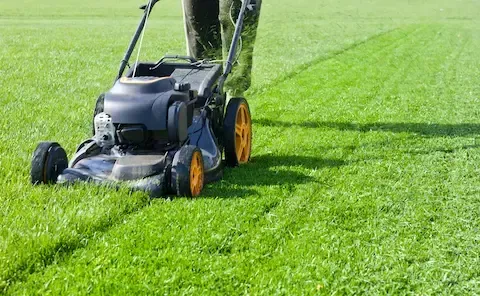
Weekly and biweekly lawn mowing tailored to Rochelle's cool-season grass growing conditions.
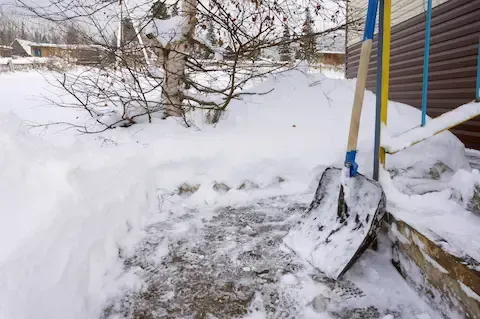
Safe front entrance access after every Rochelle snowstorm with clearing and de-icing treatment.
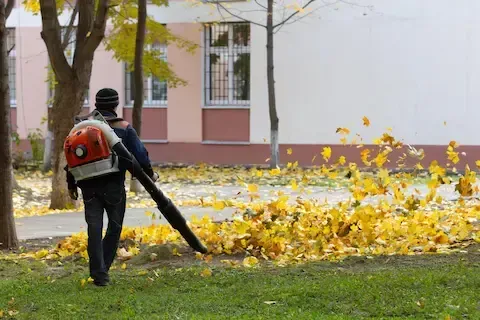
Complete fall leaf removal and property cleanup to protect Rochelle lawns before winter.
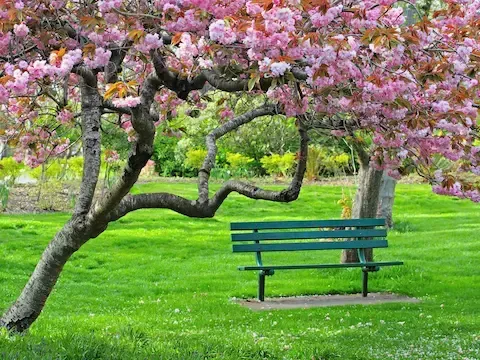
Post-winter debris removal and lawn recovery to start the Rochelle growing season right.
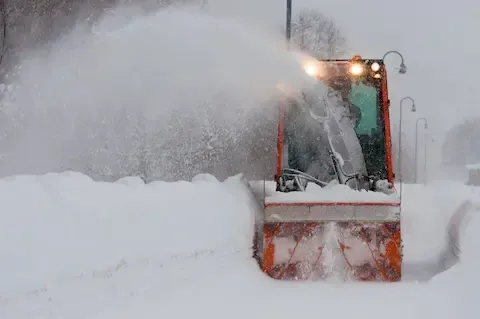
Full-property residential snow removal with automatic deployment after every Rochelle storm.
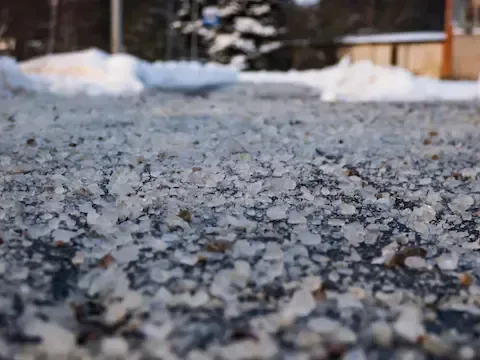
Professional de-icing treatment that works in Rochelle's coldest winter temperatures.
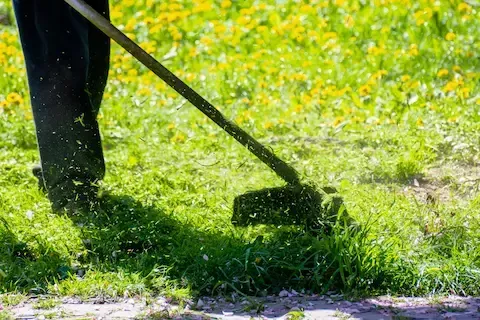
Professional lawn edging and trimming for clean borders on every Rochelle property.
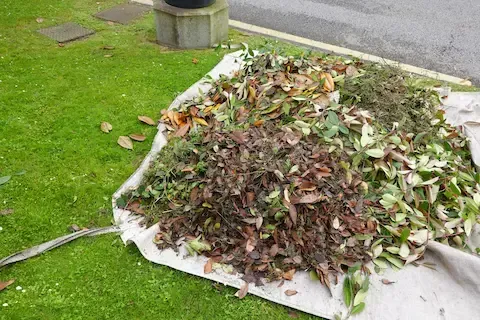
Storm debris removal and yard waste cleanup for Rochelle residential properties.
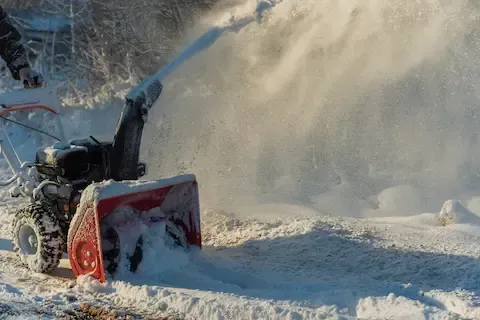
Complete driveway snow clearing including apron access for Rochelle residential properties.
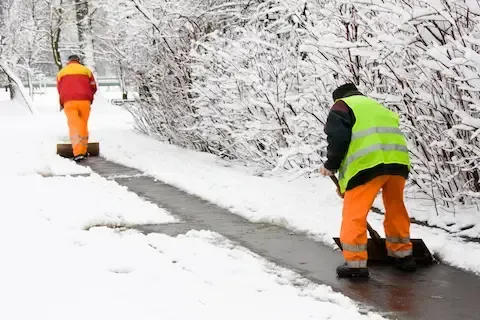
Sidewalk clearing and de-icing to keep Rochelle property frontages safe and compliant.
Frequently Asked Questions
Lawn Care And Snow Removal can be complex, and we’re here to provide answers to common questions. Here are some frequently asked questions from our clients.
Frequently Asked Questions about Lawn Care & Snow Removal
How often should my lawn be mowed in Rochelle?
Most Rochelle lawns need weekly mowing from late April through October. During the peak growing season in June and July, cool-season grasses like Kentucky bluegrass and tall fescue grow aggressively in our Zone 5a climate. We adjust our mowing schedule based on actual growth rates rather than a fixed calendar, which keeps your lawn healthier through the Northern Illinois heat.
When should I sign up for snow removal in Rochelle?
We recommend starting snow removal services before the first significant snowfall, which typically hits Rochelle in late November or early December. Signing up for a seasonal contract before the snow flies ensures priority response when storms roll through the I-39 corridor. Our crews are staged and ready to deploy as soon as accumulation reaches your trigger depth.
What is the best time to fertilize my lawn in Northern Illinois?
The best time to fertilize lawns in Rochelle is early fall, typically mid-September through mid-October. This gives cool-season grasses the nutrients they need to build strong root systems before winter dormancy. We also recommend a light spring application once soil temperatures consistently reach 55 degrees, which usually happens in late April around here.
How much does lawn care cost in Rochelle IL?
Our pricing depends on lawn size, service frequency, and specific treatments needed. Rochelle properties typically range from compact residential lots near downtown to larger parcels on the outskirts toward Creston and Steward. We provide free on-site estimates so we can assess your specific property conditions including slope, obstacles, and turf health before quoting.
Do you offer both lawn care and snow removal?
Absolutely. Rochelle gets an average of 30 to 35 inches of snow each winter, and our combined lawn and snow service keeps your property maintained year-round. Most of our lawn care clients transition directly into snow removal contracts so there is no gap in service. One crew, one company, twelve months of coverage.
What areas do you service near Rochelle?
We service Rochelle and surrounding communities along the I-88 and I-39 corridors including DeKalb, Sycamore, Oregon, Byron, and Dixon. Our crews are based locally which means faster response times during winter storms and consistent weekly service during the growing season. All properties within our service area receive the same level of care and attention.
Need Lawn Care And Snow Removal?
What Our Satisfied Clients Have to Say About Rochelle Lawn & Snow
We pride ourselves on delivering great results and experiences for each client. Hear directly from home and business owners who’ve trusted us with their Lawn Care And Snow Removal needs.

We switched to them last year for both lawn and snow and it has been the best decision. One company handles everything and our yard has never looked better. They were at our driveway clearing snow before we even woke up after that big January storm.
Rochelle Homeowner
I used to worry every November about finding someone reliable for snow removal. Now I just know it is handled. They transition right from mowing to plowing and I do not have to think about it. Excellent communication and always on time.
DeKalb Resident
Professional crew that actually knows what they are doing. They adjusted the mowing height for our bluegrass lawn and it made a huge difference by midsummer. The fall cleanup was thorough and they had us ready for winter ahead of schedule.
Sycamore Property Owner
The Trusted Lawn Care And Snow Removal Expert Near You
Ready to hear more about expert services at Rochelle Lawn & Snow?
Contact us today to receive a detailed, no-obligation quote.

Serving Rochelle & the surrounding area
24/7
