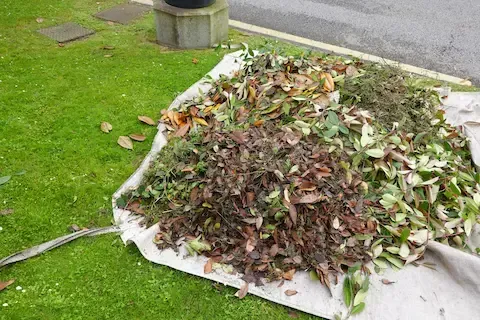
Yard Debris Cleanup in Rochelle IL: Homeowner Manual
Managing yard debris effectively requires understanding seasonal patterns, local disposal options, and proper cleanup techniques. Rochelle homeowners face unique challenges with Northern Illinois weather patterns creating substantial debris loads throughout the year, from spring storm damage to fall leaf accumulation.
Understanding Yard Debris Categories
Different types of yard debris require specific handling approaches. Organic materials like leaves, grass clippings, and small twigs decompose naturally and can often be composted or mulched in place. Woody debris including branches, tree limbs, and pruned material needs different disposal methods due to size and decomposition rates.
Storm debris presents additional challenges, particularly after severe weather events common in Ogle County. Broken branches, uprooted shrubs, and damaged fencing materials require immediate attention to prevent property damage and maintain neighborhood aesthetics. Professional Debris Cleanup services can handle large-scale storm cleanup efficiently.
Seasonal debris patterns in Rochelle follow predictable cycles. Spring brings winter damage cleanup, summer generates pruning waste, fall produces massive leaf volumes, and winter storms create immediate removal needs. Planning cleanup schedules around these patterns improves efficiency and reduces overall workload.
Proper Collection and Sorting Techniques
Effective debris cleanup starts with proper collection methods. Use appropriate tools including rakes, leaf blowers, pruning shears, and tarps to gather materials efficiently. Sort debris by type during collection to streamline disposal processes and maximize recycling opportunities.
Create designated staging areas on your property for different debris categories. Separate organic materials suitable for composting from woody debris requiring special disposal. Keep hazardous materials like treated lumber or diseased plant material isolated to prevent contamination of recyclable debris.
Timing collection activities improves results and reduces neighbor conflicts. Early morning work minimizes dust and noise issues, while avoiding windy conditions prevents debris redistribution. Schedule major cleanup projects during favorable weather windows to maximize efficiency and safety.
Container selection affects collection efficiency. Use biodegradable paper bags for organic debris, sturdy tarps for transport, and appropriate bins for different material types. Proper containers prevent debris scattering during transport and simplify disposal processes.
Safety Considerations During Collection
Wear appropriate protective equipment including gloves, eye protection, and sturdy footwear. Check debris piles for hidden hazards like nails, glass, or sharp metal before handling. Use proper lifting techniques when moving heavy branches or loaded containers to prevent injury.
Inspect electrical lines before removing tree debris, especially after storms. Never attempt to remove debris in contact with power lines, and contact utility companies for assistance when necessary. Maintain safe distances from overhead hazards during cleanup activities.
Local Disposal and Recycling Options
Rochelle provides several debris disposal options through city services and private contractors. The municipal yard waste program accepts organic materials during designated collection periods, typically running from April through November. Check current schedules and restrictions through city offices or online resources.
Ogle County operates transfer stations accepting various debris types for residents. These facilities handle materials not suitable for curbside collection, including large branches, construction debris, and bulk organic waste. Fees vary by material type and volume, making advance planning beneficial.
Private recycling facilities in Northern Illinois accept specific debris types for processing into mulch, compost, or biomass fuel. Some facilities offer free drop-off for clean organic materials, while others charge nominal fees for processing services. Research local options to find cost-effective disposal solutions.
Composting organic debris on-site reduces disposal costs and creates valuable soil amendments. Small-scale composting systems handle kitchen scraps, grass clippings, and shredded leaves effectively. Larger operations may require permits or professional guidance to ensure proper decomposition and prevent odor issues.
Seasonal Collection Schedules
Spring cleanup typically begins in April when ground conditions allow equipment access. Focus on winter damage, early pruning waste, and preparation for growing season maintenance. City collection services often provide enhanced pickup schedules during spring cleanup periods.
Summer debris generation remains relatively consistent, primarily consisting of regular lawn maintenance waste and periodic pruning materials. Standard collection schedules usually handle summer volumes without special provisions, though drought or storm conditions may create temporary increases.
Fall leaf collection represents the highest volume period for most Rochelle properties. City services typically expand collection capacity and frequency during October and November to handle seasonal loads. Planning leaf management strategies early improves results and reduces stress during peak periods.
Equipment and Tool Requirements
Basic debris cleanup requires standard lawn maintenance equipment including rakes, leaf blowers, and pruning tools. Hand tools suffice for small properties, while larger areas benefit from power equipment to improve efficiency and reduce physical strain.
Specialized equipment may be necessary for specific debris types or property conditions. Chipper-shredders process woody debris into manageable mulch, while heavy-duty blowers handle large leaf volumes efficiently. Consider rental options for occasional use rather than purchasing expensive equipment.
Transportation equipment affects cleanup capacity significantly. Trailers, pickup trucks, or large containers enable efficient debris removal from collection areas to disposal sites. Size transportation capacity appropriately for typical debris volumes to avoid multiple trips.
Safety equipment remains essential regardless of cleanup scale. First aid supplies, communication devices, and emergency contact information should be readily available during cleanup activities. Maintain equipment properly to ensure reliable operation when needed.
Maintenance and Storage
Proper equipment maintenance extends tool life and ensures reliable operation during cleanup activities. Clean tools after each use, maintain sharp cutting edges, and store equipment in dry conditions to prevent rust and deterioration.
Seasonal equipment preparation improves performance and prevents breakdowns during critical use periods. Service power equipment before peak seasons, replace worn parts promptly, and stock necessary supplies including fuel, replacement blades, and lubricants.
Storm Damage Assessment and Response
Severe weather events require systematic damage assessment before beginning cleanup activities. Document property damage thoroughly for insurance purposes, photograph debris locations, and prioritize removal based on safety concerns and property protection needs.
Immediate response focuses on safety hazards and preventing additional damage. Remove debris blocking drainage systems, clear emergency access routes, and secure loose materials that could become projectiles in subsequent storms. Address structural hazards before cosmetic cleanup.
Large-scale storm damage often overwhelms individual cleanup capacity, making professional assistance necessary. Coordinate with the edging and trimming plan to integrate debris removal with ongoing landscape maintenance activities for comprehensive property restoration.
Insurance considerations affect cleanup timing and methodology. Consult with insurance representatives before disposing of damaged materials, maintain detailed records of cleanup costs, and preserve evidence supporting damage claims throughout the process.
Emergency Priorities
Life safety takes precedence over property protection during emergency cleanup situations. Evacuate areas with unstable trees or structures, avoid working alone during hazardous conditions, and contact emergency services when encountering situations beyond individual capabilities.
Utility safety requires special attention during storm cleanup. Never approach downed power lines, report utility damage immediately, and wait for professional clearance before working near damaged infrastructure. Generator operation and temporary lighting must follow safety protocols.
Cost Management and Budgeting
Debris cleanup costs vary significantly based on volume, debris type, and disposal method selected. Regular maintenance programs typically cost less than emergency cleanup services, making preventive approaches financially advantageous over reactive strategies.
Budget planning should account for seasonal variations in debris generation and disposal costs. Spring and fall typically require higher cleanup expenditures, while summer and winter maintain more predictable patterns. Emergency reserves handle unexpected storm damage costs.
Cost reduction strategies include on-site composting, material reuse, and timing disposal activities to take advantage of free or reduced-cost programs. Combining debris removal with other landscape services often provides economies of scale and reduces overall maintenance expenses.
Professional service comparisons require evaluating total value rather than simple price comparisons. Consider service reliability, equipment quality, insurance coverage, and cleanup thoroughness when selecting contractors for debris removal services.
Long-term Planning
Multi-year planning reduces overall debris management costs through strategic landscape modifications. Selecting appropriate plant varieties, implementing proper pruning schedules, and maintaining healthy landscapes minimize debris generation over time.
Capital investment in equipment or infrastructure may provide long-term savings for properties generating significant debris volumes. Evaluate costs and benefits carefully, considering maintenance requirements, storage needs, and utilization rates for major purchases.
Environmental Considerations
Responsible debris management minimizes environmental impact through proper disposal methods and resource conservation. Composting organic materials returns nutrients to soil systems, while recycling woody debris prevents landfill accumulation and supports sustainable practices.
Chemical contamination requires special handling procedures for treated materials, diseased plants, and debris exposed to pesticides or herbicides. Separate contaminated materials from clean organic waste to prevent cross-contamination and ensure appropriate disposal.
Wildlife habitat considerations affect debris management timing and methods. Nesting seasons may require delaying removal activities, while creating brush piles from clean woody debris can provide beneficial habitat features for local wildlife populations.
Water quality protection requires preventing debris accumulation in storm drains, waterways, and wetland areas. Proper staging and transportation methods prevent debris migration during rain events, protecting local water resources from contamination and blockages.
Professional Service Integration
Coordinating debris cleanup with regular landscape maintenance services improves efficiency and reduces overall costs. Schedule pruning activities to coincide with disposal capacity, plan cleanup timing around service availability, and communicate specific requirements clearly to service providers.
Service quality evaluation includes response time, thoroughness, cleanup practices, and customer communication. Establish performance expectations clearly, maintain regular communication throughout service periods, and provide feedback to ensure continuous improvement.
Contract considerations should address service scope, pricing structure, seasonal availability, and emergency response capabilities. Clear agreements prevent misunderstandings and ensure appropriate service levels during critical periods like storm damage cleanup.
Building long-term relationships with reliable service providers improves service quality and often provides cost advantages through loyalty programs or preferred customer status. Consistent service relationships also improve property knowledge and service customization over time.
