Lawn Edging and Trimming in Rochelle IL Homeowner Plan
Creating a comprehensive lawn edging and trimming plan for your Rochelle property requires understanding the unique challenges of Northern Illinois growing conditions. Your lawn's appearance depends heavily on maintaining clean, defined borders that separate grass from walkways, driveways, and landscape beds. With proper planning and execution, you can achieve professional-looking results that enhance your home's curb appeal throughout the growing season.
Understanding Rochelle's Growing Environment
Rochelle's Zone 5a climate presents specific considerations for lawn maintenance timing and techniques. The growing season typically extends from mid-April through October, with peak growth occurring during spring and early fall periods. Cool-season grasses common to the area, including Kentucky bluegrass, tall fescue, and perennial ryegrass, require regular edging attention as they establish strong root systems and spread aggressively during favorable weather conditions.
Northern Illinois soil conditions vary significantly across properties, from heavy clay to sandy loam compositions. Clay soils, prevalent in many Rochelle neighborhoods, can create challenging edging conditions when wet, making timing crucial for achieving clean cuts. The area's average annual precipitation of 35-40 inches, combined with seasonal temperature fluctuations, influences grass growth patterns and determines optimal maintenance scheduling.
Wind patterns across the prairie landscape can affect grass growth direction and debris accumulation along edges. Understanding these environmental factors helps homeowners develop realistic expectations and appropriate maintenance frequencies for their specific property conditions.
Seasonal Timing and Frequency Requirements
Spring edging begins when soil conditions allow, typically in late April or early May, depending on ground thaw and drainage. Initial spring edging establishes clean lines after winter damage and prepares borders for the growing season ahead. During this period, edges may require deeper cuts to remove winter debris and redefine boundaries that frost heaving has disturbed.
Peak growing season, from May through August, demands the most frequent attention. Cool-season grasses in Rochelle experience rapid growth during spring months, often requiring edging every two to three weeks to maintain crisp appearances. Summer heat may slow growth somewhat, potentially extending intervals to three to four weeks, depending on irrigation practices and rainfall patterns.
Fall maintenance focuses on final cleanup and preparation for dormancy. September and October edging removes summer growth and creates clean lines that will remain visible through winter months. The fall cleanup walkthrough provides detailed guidance on preparing your lawn for winter conditions while maintaining professional appearance standards.
Winter months require minimal intervention, though occasional debris removal and minor touch-ups may be necessary after severe weather events or snow removal activities that disturb established edges.
Equipment Selection and Technique Considerations
Manual edging tools provide precise control and work well for smaller properties or detail work around obstacles. Half-moon edgers create clean, straight lines but require physical effort and may not be practical for extensive border maintenance. Long-handled edging shears offer excellent control for curved areas and intricate landscaping but limit efficiency on longer runs.
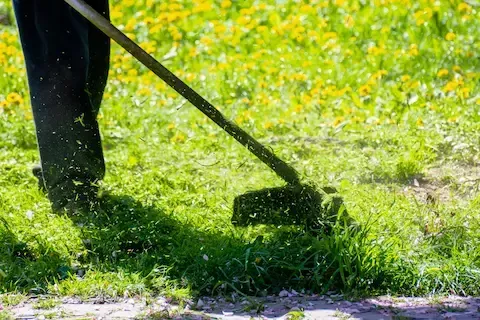
Power equipment significantly reduces labor requirements and improves consistency across larger properties. String trimmers equipped with edging attachments provide versatility for both trimming and edging tasks. Dedicated power edgers create the cleanest lines but represent a significant equipment investment for homeowners with limited storage space.
Blade selection impacts cutting quality and maintenance requirements. Steel blades maintain sharp edges longer but require more frequent sharpening. Carbide-tipped blades offer extended wear characteristics but cost more initially. String trimmer line thickness should match grass density and growth characteristics, with heavier lines providing better cutting performance in thick turf conditions.
Professional-grade equipment often justifies the investment for larger properties or homeowners who prioritize lawn appearance. Commercial-quality edgers provide superior power, durability, and cutting consistency compared to consumer-grade alternatives, though maintenance requirements and operating costs increase accordingly.
Common Challenges and Problem-Solving Approaches
Soil compaction along high-traffic edges creates difficult cutting conditions and promotes irregular grass growth patterns. Clay soils common in Rochelle become particularly challenging when saturated, causing equipment to clog and producing ragged cuts. Timing edging activities for appropriate soil moisture levels prevents damage to both equipment and lawn edges.
Aggressive grass varieties may require more frequent attention than standard maintenance schedules suggest. Tall fescue and Kentucky bluegrass can spread rapidly during favorable conditions, quickly obscuring freshly cut edges. Monitoring growth patterns and adjusting maintenance frequency accordingly prevents edges from becoming overgrown and difficult to restore.
Root exposure along steep edges can lead to grass die-back and erosion problems. Cutting too deeply or at inappropriate angles removes soil support and exposes root systems to desiccation. Maintaining appropriate cutting depths and angles preserves grass health while achieving desired appearance standards.
Debris management becomes crucial during peak growing seasons when clippings and organic matter accumulate rapidly along borders. Regular removal prevents matting and disease development while maintaining clean appearance standards. Edging and trimming services can address these maintenance challenges while ensuring consistent results throughout the growing season.
Integration with Overall Lawn Care Programs
Edging timing should coordinate with mowing schedules to maximize efficiency and appearance. Performing edging before mowing allows clippings to be collected during the mowing process, reducing cleanup requirements. However, some homeowners prefer post-mowing edging to address areas that mowers cannot reach effectively.
Fertilization programs influence grass growth rates and may require edging frequency adjustments. Spring fertilizer applications typically increase growth rates, necessitating more frequent maintenance during the six to eight weeks following application. Understanding your fertility program helps predict maintenance requirements and budget time accordingly.
Irrigation practices affect soil conditions and grass growth patterns along edges. Overwatering creates soft soil conditions that make clean cuts difficult to achieve and maintain. Proper irrigation timing and volume support healthy grass growth without creating maintenance complications.
Disease and pest management may require temporary modifications to edging practices. Certain fungal diseases spread through mechanical means, making equipment sanitation important when moving between affected and healthy lawn areas. Understanding common lawn health issues helps prevent inadvertent disease transmission during maintenance activities.
Professional Service Considerations
Determining whether to handle edging personally or hire professional services depends on property size, available time, and desired appearance standards. Professional services provide consistent results, proper equipment, and expertise in handling challenging conditions, but represent ongoing operational expenses for homeowners.
Service frequency discussions with contractors should address seasonal variations and specific property requirements. Many Rochelle homeowners find bi-weekly service during peak growing periods provides optimal appearance while managing costs effectively. Monthly service may suffice for lower-maintenance landscapes or budget-conscious homeowners.
Equipment maintenance and replacement costs factor into long-term decision-making. Professional services absorb these expenses while homeowners must budget for blade sharpening, equipment repairs, and eventual replacement. Analyzing total cost of ownership helps determine the most economical approach for individual situations.
Quality standards and communication expectations should be established clearly with service providers. Professional results require attention to detail and consistency that may not be apparent in initial service visits. Establishing performance criteria and communication protocols prevents misunderstandings and ensures satisfaction with service delivery.
Long-Term Maintenance Planning
Developing realistic maintenance schedules requires honest assessment of available time, physical capabilities, and appearance priorities. Overly ambitious plans often lead to inconsistent maintenance and poor results. Conservative scheduling that can be maintained consistently produces better long-term outcomes than aggressive plans that cannot be sustained.
Budget planning should account for equipment acquisition, maintenance, and replacement costs over time. Initial equipment investments may seem substantial, but proper care extends useful life and reduces annual operating costs. Regular maintenance prevents major repairs and ensures reliable performance during critical growing periods.
Property modifications may affect edging requirements over time. Installing additional landscaping, modifying irrigation systems, or changing traffic patterns can alter maintenance needs significantly. Anticipating these changes during initial planning prevents surprises and allows for appropriate budget adjustments.
Documentation of maintenance activities, equipment performance, and seasonal variations provides valuable information for refining approaches over time. Simple record-keeping helps identify patterns, optimize timing, and troubleshoot problems before they become major issues affecting lawn appearance and health.
