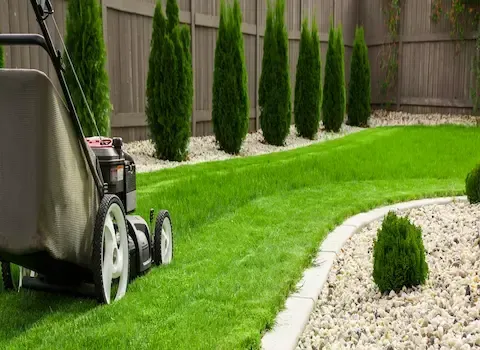
When to Start Mowing Each Spring on Rochelle IL Lawns
Timing the first mow of spring is one of those decisions that looks simple on the surface but carries real consequences for your lawn's health through the rest of the season. In Rochelle, IL, where winters can drag deep into March and the transition from dormancy to active growth is rarely clean or predictable, jumping in too early is just as problematic as waiting too long. Getting that first cut right sets the tone for everything that follows.
Why Soil Temperature Matters More Than the Calendar
Many homeowners in Rochelle use the calendar as their guide, aiming for a date in April or watching the neighbors start up their mowers as a signal. But grass growth isn't governed by the calendar. It responds to soil temperature. Cool-season grasses like Kentucky bluegrass and tall fescue, which are the dominant turf types in this part of Northern Illinois, begin active shoot growth when soil temperatures consistently reach 50 to 55 degrees Fahrenheit at a four-inch depth.
Before that threshold, the grass blades you see greening up are doing so on stored energy. Cutting them at that stage removes leaf area the plant is depending on to rebuild carbohydrate reserves after dormancy. Soil temperature trackers and extension resources from the University of Illinois can give you local readings if you want precise data, but you can also observe your lawn directly. When the grass is actively pushing upward and needs to be cut to maintain a reasonable height rather than just looking scraggly, that's your real signal.
In Rochelle's USDA Zone 5a climate, that window typically opens somewhere between mid-April and early May, depending on the winter's depth and how quickly the ground thaws in the Ogle County area. Late cold snaps in April are common, and they can delay active growth by a week or two compared to southern parts of Illinois.
What to Look for Before Cutting
Beyond soil temperature, there are practical conditions on the ground that determine whether it's safe to mow. Running a mower over saturated soil causes compaction and wheel ruts that create drainage problems lasting well into the season. Before you fire up the mower, check that the soil is firm underfoot. If you step on the turf and your shoe sinks, wait. A few extra days before mowing is far less damaging than tracking deep ruts across a wet lawn.
Look at the grass height as well. If winter killed patches are still matted down or the turf hasn't reached three to four inches, mowing adds stress without adding benefit. The goal of the first cut isn't to make the lawn look pristine. It's to remove enough top growth to encourage the plant to tiller and thicken. Cutting too short during that first mow, especially below two and a half inches, risks scalping dormant crowns and exposing root zones to temperature swings that still occur in Rochelle through late April.
Preparing the Lawn and Equipment Before That First Cut
The period between the snow melting and the first mow is the best time to take stock of what winter left behind. Walk your Rochelle property and check for heaved soil from frost, debris from winter storms, and any low spots where ice sat for extended periods. Remove sticks, dead leaves, and any materials that didn't break down over winter. Running over hidden debris with a mower blade is one of the fastest ways to damage equipment or injure bystanders.
Blade sharpness is critical in spring. A dull blade tears grass tissue rather than cutting it cleanly, leaving ragged edges that turn brown and create entry points for disease. If you didn't sharpen your blade at the end of last season, do it before the first mow of this one. Check the air filter, change the oil if you're overdue, and confirm the spark plug condition. Mowers that sit through an Illinois winter often need a fuel system check as well, particularly if ethanol-blend fuel was left in the tank.
For those who rely on professional help, scheduling early matters. Spring is the busiest service window, and Lawn Mowing services in Rochelle fill up quickly once the season opens. Getting on a schedule before the rush means your lawn gets attention at the right time rather than waiting for an available slot after the grass has already overgrown.
Common Spring Mowing Mistakes in Northern Illinois
One of the most frequent errors in this region is mowing based on appearance alone. A lawn that greened up after a warm week in late March can look mow-ready while the soil beneath is still cold and saturated from snowmelt. Cutting during that window does cosmetic work at the expense of root development.
Another mistake is cutting too short on that first pass. Some homeowners drop the deck in spring to remove winter growth quickly and get the lawn looking neat. Scalping cool-season turf in spring weakens the stand right before it faces its most stressful growth period. A better approach is to cut at your normal summer height, or even slightly higher, on that first mow and work down gradually over the following two or three cuts if needed.
Skipping the pre-mow inspection is also common and avoidable. Rochelle winters frequently leave behind vole tunnels, frost heave ridges, and patches of matted thatch. Mowing over these without addressing them first results in uneven cuts and potential scalping in spots where the ground is raised.
Understanding the right mowing height for bluegrass before that first cut helps you make decisions that support the grass type you're actually managing rather than applying generic advice that may not fit Zone 5a conditions.
Setting a Rhythm After the First Cut
Once that first mow is behind you, the goal is establishing a consistent schedule. Cool-season lawns in Rochelle grow most aggressively in May and early June, which may require cutting every five to six days to avoid removing more than one-third of the blade in any single pass. Removing more than that stresses the plant and reduces the leaf area available for photosynthesis at a critical growth point.
As summer heat arrives in Ogle County and growth slows, your mowing interval can extend naturally. The lawn will tell you when it needs cutting better than any fixed calendar schedule can. The key is paying attention to actual growth rather than maintaining a rigid routine that doesn't account for weather variation.
Starting the season with proper timing and technique gives your Rochelle lawn a foundation that carries through summer stress and into fall recovery. That first mow matters more than it gets credit for.
