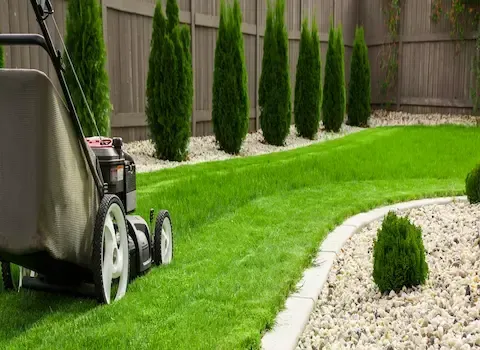
Mowing Height for Kentucky Bluegrass in Rochelle IL
Kentucky bluegrass in Rochelle, Illinois should be mowed at 2.5 to 3.5 inches during the growing season, with higher settings in summer heat and lower settings during spring and fall. This cool-season grass thrives in Northern Illinois's Zone 5a climate when maintained at proper heights that promote deep root growth and drought tolerance while preventing scalping damage common in our variable weather conditions.
What is the ideal mowing height for Kentucky bluegrass in spring?
Set your mower to 2.5 to 3 inches during Rochelle's spring months from March through May. This moderate height allows the grass to establish strong root systems as it emerges from winter dormancy. Spring in Northern Illinois brings fluctuating temperatures and frequent rain, making this height perfect for encouraging thick growth while preventing moisture-related diseases. Start your first spring cut when the grass reaches 4 inches, removing no more than one-third of the blade length. The cooler temperatures and adequate moisture during Rochelle springs support vigorous growth at this setting.
How high should I cut Kentucky bluegrass during summer heat?
Raise your mower to 3 to 3.5 inches during Rochelle's hot summer months from June through August. Higher cutting promotes deeper root growth, essential for surviving Illinois heat waves and periodic drought conditions. The taller grass blades shade the soil, reducing water evaporation and keeping roots cooler during those sweltering July afternoons when temperatures soar above 85 degrees. Lawn Mowing professionals in the area recommend this height to maintain lawn health during stress periods. Never cut below 3 inches during summer heat stress, as shorter grass struggles to retain moisture and becomes vulnerable to heat damage.
What mowing height works best for fall Kentucky bluegrass care?
Lower your cutting height to 2.5 to 3 inches during September and October as temperatures cool in Rochelle. This moderate reduction helps the grass prepare for winter while still maintaining adequate blade length for photosynthesis. Fall is Kentucky bluegrass's prime growing season in Northern Illinois, with cooler nights and warm days creating ideal conditions for thick growth. The shorter height prevents matting under snow cover while keeping blades long enough to store energy for spring green-up. For your final fall cut in late October or early November, consider following our Rochelle lawn mowing plan which accounts for local leaf drop and winter preparation needs.
Why does mowing height matter for Kentucky bluegrass health?
Proper mowing height directly impacts root development, drought tolerance, and overall lawn resilience in Rochelle's challenging climate. Taller grass produces deeper roots, with each additional half-inch of blade height potentially adding several inches of root depth. This extended root system accesses moisture and nutrients deeper in the soil, crucial during Illinois dry spells. Correct height also promotes lateral growth through rhizomes and tillers, creating the dense, carpet-like appearance Kentucky bluegrass is known for. Cutting too short weakens the plant, reduces its ability to compete with weeds, and makes it susceptible to disease pressure common in humid Midwest summers.
How does Northern Illinois weather affect mowing height decisions?
Rochelle's Zone 5a climate requires flexible mowing height adjustments based on seasonal weather patterns. During cool, wet springs, maintain moderate heights to prevent fungal issues while encouraging growth. Hot, dry summers demand maximum height settings to preserve moisture and protect crowns from heat stress. Fall's variable temperatures call for gradual height reduction as the grass slows growth and prepares for dormancy. Unexpected weather events, like early heat waves or late cold snaps, may require temporary height adjustments to help the grass cope with stress.
What common Kentucky bluegrass mowing mistakes should I avoid?
Never remove more than one-third of the blade length in a single cutting, as this shock weakens the grass and stunts root development. Avoid cutting below 2 inches regardless of season, as this scalping exposes soil, promotes weed germination, and stresses the plant. Don't maintain the same height year-round without considering seasonal needs and weather conditions. Sharp mower blades are essential – dull blades tear grass rather than cutting cleanly, leaving brown tips and creating entry points for disease. Mowing wet grass, especially during Rochelle's frequent spring rains, can spread disease and create uneven cuts that damage lawn appearance.
