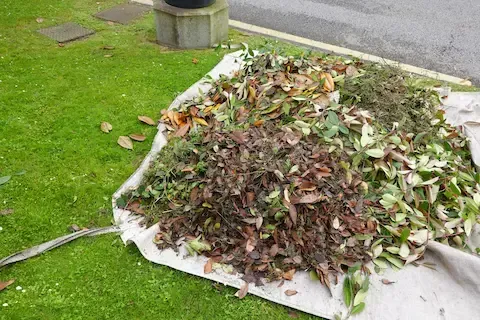
Storm Debris Cleanup After Northern Illinois Wind Events
Northern Illinois wind events hit hard and fast. One storm rolling through Ogle County can strip trees bare, scatter fence boards across three yards, and leave a mat of wet leaves and broken branches that smothers your lawn before you even realize the damage is done. If you live in or near Rochelle, you already know how quickly the aftermath can pile up. The good news is that a systematic approach to storm debris cleanup makes the difference between a lawn that recovers in a week and one that struggles through the rest of the season.
What Northern Illinois Wind Events Actually Leave Behind
The wind patterns that move through this part of Illinois are not gentle. Storms tracking along the I-88 corridor frequently produce gusts that exceed fifty miles per hour, and derecho events — which hit this region more often than most homeowners expect — can push sustained winds even higher. What that means for your yard is a layered mess. You are typically dealing with at least three distinct categories of debris after a significant event.
- Large wood: Fallen limbs, cracked branches still hanging from trunks, and any wood larger than two inches in diameter
- Mid-range debris: Smaller sticks, broken twigs, shredded bark, and split wood fragments scattered across turf and planting beds
- Fine debris: Stripped leaves, seed pods, torn grass blades, and organic material matted into the lawn surface
Each category requires a different handling approach, and working through them in the wrong order wastes time and can actually cause more turf damage. Start large and work down to fine. Dragging rakes through heavy wood debris tears up the lawn and bends tines. Clear the large material first with gloved hands and proper lifting posture, then move to rakes and tarps for the smaller layers.
Safe Lifting and Movement After a Storm
The number of back injuries that happen in the two days following a major wind event is significant. Homeowners move quickly, they are stressed about the yard, and they lift heavy saturated wood without thinking. Wet oak and elm branches that look manageable can weigh far more than expected. A limb that is six inches in diameter and four feet long can easily exceed one hundred fifty pounds once it has absorbed rain.
Before you touch anything, assess the full scene. Look up before you look down. Widow-makers — large branches lodged in the canopy that have not fallen yet — are a real hazard in Rochelle-area tree canopies, particularly in yards with mature oak, ash, and elm that are common throughout Ogle County. If you spot any hanging wood, stay clear of that zone entirely until it has been addressed by someone with the right equipment.
For the debris you can safely handle, use the following approach:
- Bend at the knees, not the waist, for every piece you pick up from the ground
- Use two people for any piece longer than five feet
- Roll heavy rounds to your staging area rather than carrying them when possible
- Keep your staging area close to the curb or driveway to minimize total carry distance
Staging Debris for Efficient Disposal
Where you pile debris matters as much as how you collect it. Rochelle and surrounding Ogle County municipalities have specific guidelines about curbside debris placement, and piling wood over utility access points, storm drains, or sidewalks creates secondary problems and can result in fines. Check with the city before you stage anything near the street.
The practical approach is to create three separate staging zones in your yard: one for large wood, one for mid-range brush and sticks, and one for bagged leaf and fine debris. This separation makes it far easier to schedule hauling and means you are not paying to transport one large mixed pile when some material might be chipped, composted, or picked up on different schedules.
If you are planning to handle disposal yourself, rent a debris trailer rather than trying to stuff material into standard pickup beds. After a major storm, the volume almost always exceeds what homeowners estimate. For those who would rather hand this off entirely, Debris Cleanup services that are familiar with Northern Illinois storm patterns can sort, stage, and haul everything in a fraction of the time.
Protecting Your Lawn During and After Cleanup
Debris left on turf for more than forty-eight to seventy-two hours after a storm starts killing grass beneath it. Wet leaf mats create anaerobic conditions at the soil surface, and the crown of your grass plants — the growth point that sits right at soil level — can begin to suffocate quickly. In late summer and early fall, when Northern Illinois storms are most frequent, this overlaps with a period when turf is already stressed from heat and drought.
Once the large material is cleared, resist the urge to immediately run heavy equipment across saturated ground. Mowing over wet, debris-covered turf with a full-size riding mower compacts soil, shreds grass that is already stressed, and can bury small debris pieces deep into the turf. Wait until the surface has dried enough to support foot traffic without leaving visible impressions before you resume any mowing or dethatching work.
For a deeper look at how to build a year-round debris management routine, the debris cleanup manual covers seasonal approaches that keep Rochelle lawns clear through every weather pattern this region throws at them.
When to Call for Professional Help
There are clear thresholds that signal a storm cleanup job has moved beyond reasonable DIY scope. If any of the following apply to your property after a wind event, bring in a professional crew rather than attempting to manage it alone.
- Any branch still attached to a standing tree that is larger than four inches in diameter
- Wood that has landed on fencing, outbuildings, or utility lines
- Debris volume that would require more than three standard trailer loads
- Damage to root zones or trunk bark that suggests structural compromise in a tree
Rochelle sits in a corridor that sees recurring severe weather, and the mature tree canopy throughout the area means major storm events can generate significant wood debris every season. Building a relationship with a local crew that knows how to handle Northern Illinois storm conditions — understands the soil, the tree species, and the disposal options specific to Ogle County — saves time, protects your property, and means you are not starting from scratch every time the next system moves through.
