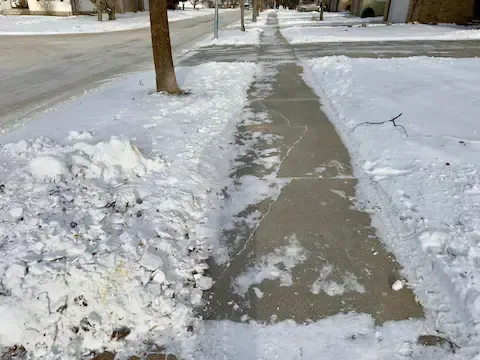
Rochelle IL Sidewalk Snow Removal Time Limits Explained
Understanding Rochelle's Sidewalk Snow Removal Requirements
Property owners in Rochelle, Illinois face specific responsibilities when winter storms deposit snow across city sidewalks. The municipal code establishes clear timeframes for removing snow and ice from sidewalks adjacent to your property, with these requirements designed to maintain safe pedestrian access throughout the community.
Rochelle's ordinance typically requires property owners to clear sidewalks within 24 hours after snowfall ends. This timeframe applies to both residential and commercial properties, ensuring consistent standards across all neighborhoods. The regulation covers the full width of the sidewalk and extends to any public walkways that border your property line.
Why Time Limits Exist for Snow Removal
Municipal snow removal deadlines serve multiple critical purposes beyond simple convenience. Emergency services need clear pathways to reach homes and businesses during winter emergencies. School children walking to bus stops require safe passage, and mail carriers depend on accessible sidewalks to maintain delivery schedules.
The 24-hour window accounts for varying storm conditions and gives property owners reasonable time to address snow removal safely. This timeframe prevents ice formation that occurs when packed snow sits on concrete surfaces for extended periods. Once snow hardens into ice, removal becomes significantly more dangerous and labor-intensive.
Liability considerations also drive these requirements. Property owners may face responsibility for injuries occurring on uncleared sidewalks adjacent to their land. Professional Sidewalk Snow Clearing services understand these liability concerns and work within required timeframes to protect property owners.
Practical Considerations for Compliance
Storm timing significantly affects your ability to meet removal requirements. Overnight snowfall that ends by morning gives you until the following morning to complete clearing. However, storms ending late in the day may require early morning removal the next day.
Heavy snow events exceeding six inches often receive extended timeframes, though this varies by specific municipal provisions. Property owners should monitor local announcements during severe weather events, as city officials may issue modified requirements for exceptional storms.
Weather conditions following snowfall impact removal difficulty. Temperatures below freezing require more aggressive removal techniques to prevent ice formation. Wind can redistribute snow onto recently cleared areas, potentially requiring additional clearing efforts within the original timeframe.
Common Mistakes and Misconceptions
Many property owners mistakenly believe clearing a narrow path through the sidewalk meets requirements. Municipal codes typically require full sidewalk width clearing, ensuring wheelchair accessibility and safe passage for multiple pedestrians.
Throwing snow onto adjacent properties or into streets violates most municipal codes. Proper snow placement involves moving snow onto your own property areas where it won't block drainage or create hazards. Piling snow against fire hydrants or blocking vehicle sightlines also creates violations.
Some residents assume city snow plows will handle sidewalk clearing. Municipal crews focus on roadway snow removal, leaving sidewalk responsibilities to individual property owners. Understanding the sidewalk clearing plan helps establish realistic expectations for winter maintenance duties.
Local Enforcement and Community Standards
Rochelle's code enforcement approach typically emphasizes education and voluntary compliance rather than immediate penalties. Initial violations often result in warnings, giving property owners opportunity to address problems before facing fines. Repeat violations or hazardous conditions may trigger more immediate enforcement action.
Neighbor complaints frequently initiate enforcement reviews, particularly when uncleared sidewalks affect school walking routes or mail delivery. Community members often report persistent violations through city hall or online reporting systems, making consistent compliance important for neighborhood relations.
Local enforcement officers understand that senior citizens and disabled residents may face physical limitations affecting snow removal ability. These situations often receive modified enforcement approaches, though property owners remain ultimately responsible for ensuring sidewalk accessibility.
Professional Service Options and Planning
Many Rochelle property owners contract with professional snow removal services to ensure consistent compliance with time requirements. Professional services monitor weather forecasts and deploy crews to meet municipal deadlines regardless of storm timing or property owner availability.
Seasonal contracts provide predictable budgeting and guaranteed service throughout winter months. Per-storm services offer flexibility for occasional users but may face availability limitations during heavy snow periods when demand peaks across the region.
Equipment requirements vary based on sidewalk length and typical snow accumulation. Simple snow shovels work for light snowfall and short sidewalk sections, while snow blowers become essential for longer sidewalks or heavy snow areas. Ice melt application helps prevent formation of hazardous conditions between storms.
Preparation and Communication Strategies
Successful sidewalk snow management begins with preparation before winter weather arrives. Stocking adequate ice melt supplies, maintaining equipment in working condition, and establishing removal procedures helps ensure quick response when storms develop.
Weather monitoring becomes crucial during winter months, with property owners tracking forecasts to anticipate snow removal needs. Mobile weather apps provide storm timing information that helps plan removal activities within required timeframes.
Communication with neighbors can create informal support networks for snow removal assistance. Elderly residents or families facing temporary limitations benefit from community cooperation, while shared equipment purchases can reduce individual costs for snow removal tools.
