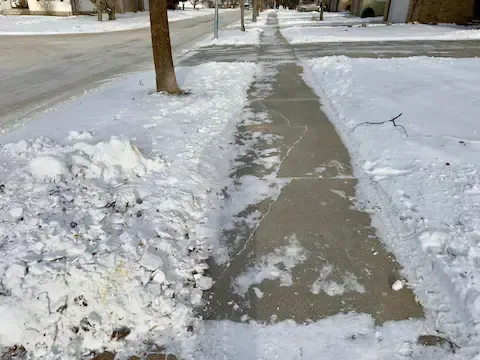
Sidewalk Snow Clearing in Rochelle IL Homeowner Plan
Developing an effective sidewalk snow clearing plan for your Rochelle property requires understanding Northern Illinois weather patterns, local regulations, and proven techniques that work in our climate. Your walkways are the first impression visitors get of your home, and maintaining safe, accessible paths throughout winter protects both your family and guests while demonstrating responsible property ownership in our community.
Understanding Rochelle's Winter Weather Patterns
Rochelle experiences typical Northern Illinois winters with average snowfall ranging from 25-35 inches annually, though individual storms can dump 6-12 inches at once. Temperature fluctuations between 15-35 degrees Fahrenheit create challenging conditions where snow melts during the day and refreezes at night, forming dangerous ice layers on walkways.
December through February represent peak snow months, with January typically seeing the heaviest accumulations. Early season storms in November and late season events in March can catch homeowners unprepared, making year-round planning essential for consistent sidewalk maintenance.
Wind patterns across the prairie landscape create drifting snow that accumulates unevenly along walkways. Properties facing north or west typically experience heavier accumulations due to prevailing wind directions, requiring adjusted clearing strategies compared to sheltered southern exposures.
Local Sidewalk Clearing Requirements
Rochelle municipal ordinances require property owners to clear sidewalks within 24 hours after snowfall ends. Failure to maintain clear walkways can result in citations and liability issues if pedestrians are injured on your property. The city prioritizes main thoroughfare sidewalks and school route paths for enforcement.
Business districts have stricter requirements with 6-hour clearing windows, but residential properties operate under the 24-hour standard. However, many homeowners clear walkways more frequently to prevent ice formation and reduce physical effort required for each clearing session.
Your responsibility extends to the full width of the sidewalk and includes removing snow from adjacent curb cuts and wheelchair accessibility ramps. Pushing snow into streets or neighboring properties violates city regulations and creates drainage problems during spring thaw periods.
Essential Equipment for Effective Clearing
Choosing the right tools significantly impacts your clearing efficiency and physical strain. Standard snow shovels work for light accumulations under 4 inches, but ergonomic models with curved handles reduce back stress during extended use. Plastic blades prevent concrete damage while metal edges cut through packed snow more effectively.
Snow pushers excel for moving large volumes quickly across flat surfaces. Their wide blades and angled design allow you to clear entire sidewalk widths in single passes, reducing time and repetitive motion. Combination tools with both pushing and scooping capabilities offer versatility for different snow conditions.
Ice choppers and scrapers become essential when frozen precipitation creates hard-packed surfaces. Spud bars with pointed ends break through thick ice layers, while wide scrapers remove loosened material efficiently. Keep edges sharp throughout the season for optimal performance.
For longer driveways and extensive walkway systems, consider investing in sidewalk snow clearing equipment like single-stage electric blowers. These machines handle Northern Illinois snow conditions well and offer significant time savings over manual methods.
Timing Strategies for Maximum Effectiveness
Clearing frequency directly impacts the effort required for each session. Removing 2-3 inches multiple times requires less energy than waiting to tackle 8-10 inch accumulations after storms end. Monitor weather forecasts and begin clearing when snowfall pauses during extended storm events.
Early morning clearing prevents foot traffic from compacting snow into ice, especially on high-traffic sidewalks near schools or bus stops. However, if additional snowfall is expected, focus on major pathways and delay comprehensive clearing until precipitation stops.
Temperature timing affects snow consistency and removal difficulty. Snow cleared when temperatures hover around freezing often feels heavier due to higher moisture content, while powder snow at lower temperatures moves easily but may drift back onto cleared areas.
Evening clearing before overnight freezing prevents ice formation from daytime melting. This proactive approach reduces morning slip hazards and eliminates the need for aggressive ice removal techniques that can damage concrete surfaces.
Ice Prevention and Treatment Methods
Rock salt remains the most common de-icing material, effective down to approximately 20 degrees Fahrenheit. Apply salt sparingly before storms to prevent initial ice formation, then supplement with additional applications on cleared surfaces to maintain traction.
Calcium chloride works in colder temperatures and generates heat as it dissolves, making it ideal for Northern Illinois conditions. Though more expensive than rock salt, it requires smaller quantities and causes less vegetation damage along walkway edges.
Sand provides immediate traction without chemical ice melting but requires spring cleanup and can clog storm drains. Mix sand with salt for combined benefits of traction and melting action, particularly effective on concrete surfaces where pure chemicals might cause damage over time.
Avoid using fertilizer as a de-icing agent, despite its availability and lower cost. Fertilizer can damage concrete and creates environmental problems when spring runoff carries excess nutrients into local waterways.
Common Mistakes That Create Problems
Many homeowners wait too long between clearing sessions, allowing snow to compact and freeze into difficult-to-remove ice layers. This approach increases physical effort required and often results in incomplete clearing that creates slip hazards.
Piling snow on lawn areas immediately adjacent to sidewalks causes problems during spring thaw when melting snow refreezes on walkways during cold nights. Create snow storage areas further from pathways to prevent refreeze issues.
Over-application of de-icing chemicals wastes money and damages both concrete surfaces and surrounding vegetation. Follow manufacturer recommendations for application rates, typically 1-2 pounds per 1,000 square feet for maintenance applications.
Ignoring drainage patterns around your property leads to ice accumulation in low spots and near downspouts. Address these areas proactively with additional de-icing treatments and ensure proper water flow away from walkways.
Using inappropriate tools for specific conditions increases effort and potential injury risk. Match your equipment selection to current snow conditions rather than relying on a single tool for all situations.
Seasonal Preparation and Maintenance
Fall preparation significantly impacts winter clearing success. Inspect walkway surfaces for cracks or uneven areas that collect water and create ice hazards. Repair concrete damage before freezing weather arrives to prevent expansion and worsening conditions.
Stock adequate supplies of de-icing materials early in the season when prices are lower and selection is better. Store salt and other chemicals in dry locations to prevent clumping and ensure maximum effectiveness when needed.
Service and organize snow removal equipment before the season starts. Sharpen scraper blades, lubricate moving parts on snow blowers, and verify that extension cords and electrical equipment function properly.
Establish clear storage locations for snow removal tools near main entrances for quick access during storm events. Having equipment readily available encourages prompt clearing and reduces the temptation to delay maintenance.
Professional Service Considerations
Some Rochelle homeowners benefit from professional sidewalk clearing services, particularly those with mobility limitations, extensive walkway systems, or demanding work schedules that conflict with optimal clearing times.
Professional services offer reliability during severe weather when manual clearing becomes extremely difficult or dangerous. They typically include ice treatment applications and guarantee compliance with local clearing ordinances.
Consider professional help for properties with complex layouts, steep grades, or areas requiring specialized equipment. The investment often pays for itself through reduced injury risk and consistent maintenance quality.
For comprehensive winter maintenance information, review the de-icing manual for detailed chemical application guidelines and safety procedures specific to Northern Illinois conditions.
Long-term Walkway Preservation
Proper snow and ice removal techniques extend concrete lifespan and maintain property values. Avoid using metal tools directly on concrete surfaces, and minimize chemical applications through strategic timing and appropriate product selection.
Document any damage that occurs during winter months and address repairs promptly in spring. Small cracks and surface damage worsen rapidly when subjected to freeze-thaw cycles, making immediate attention cost-effective.
Consider walkway design modifications that reduce maintenance requirements. Proper grading, drainage improvements, and surface treatments can significantly decrease ice formation and snow accumulation patterns.
Your sidewalk snow clearing plan should evolve based on experience and changing conditions. Keep records of what works best for your specific property and adjust strategies accordingly. Consistent maintenance protects both your investment and community safety throughout Northern Illinois winter seasons.
