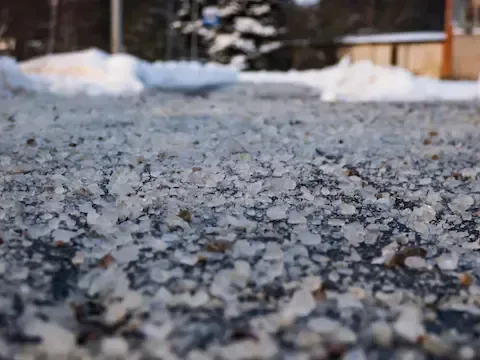
Rock Salt vs Calcium Chloride in Rochelle IL Winters
When winter temperatures drop across Rochelle, Illinois, choosing between rock salt and calcium chloride can determine whether your driveway stays clear or becomes a skating rink. Both deicing agents serve the same basic purpose, but their performance varies dramatically in the harsh conditions typical of Northern Illinois winters.
Temperature Performance Comparison
Rock salt, chemically known as sodium chloride, stops working effectively when temperatures drop below 15°F. This limitation becomes critical during Rochelle's coldest winter days when temperatures can plummet well below zero. The salt simply cannot generate enough chemical reaction to melt ice at these extreme temperatures, leaving your driveway dangerously slick.
Calcium chloride maintains its ice-melting capabilities down to -25°F, covering virtually every winter condition Northern Illinois experiences. This extended working range means calcium chloride continues melting ice during those brutal January cold snaps that regularly hit the Rochelle area. The chemical releases heat as it dissolves, actually warming the surface and accelerating the melting process.
For property owners dealing with the variable winter conditions around Rochelle, this temperature difference represents the gap between reliable protection and potentially hazardous surfaces during the coldest weeks of the season.
Impact on Concrete and Surfaces
Rock salt creates significant long-term damage to concrete driveways and walkways through repeated freeze-thaw cycles. The salt draws water into concrete pores, and when temperatures fluctuate, this trapped moisture expands and contracts, creating cracks and surface deterioration. Many Rochelle homeowners discover this damage when spring arrives and reveals the winter's toll on their driveways.
Calcium chloride proves less aggressive toward concrete surfaces, though it still requires proper application techniques. The key difference lies in how each chemical interacts with concrete chemistry. While no deicing agent is completely harmless to concrete, calcium chloride's reduced tendency to penetrate deeply into concrete pores makes it a more sustainable choice for long-term driveway maintenance.
Professional De-Icing services understand these material impacts and adjust application methods accordingly, protecting your surfaces while maintaining safety.
Application Timing and Technique
Rock salt works best when applied before ice forms or on existing ice that hasn't become too thick. The chemical needs time to work through the ice layer, making preemptive application during snowfall more effective than waiting until ice has solidified. However, this proactive approach becomes challenging during rapidly changing Northern Illinois weather patterns.
Calcium chloride can be applied effectively both before and after ice formation. Its faster-acting properties mean you can address ice problems as they develop, providing more flexibility during unpredictable winter storms common in the Rochelle area.
Cost Analysis for Typical Winters
Rock salt typically costs less per pound than calcium chloride, making it appear more economical for budget-conscious property owners. A 50-pound bag of rock salt generally costs 30-40% less than the same quantity of calcium chloride. This upfront price difference influences many purchasing decisions, especially for homeowners managing multiple winter seasons of deicing needs.
However, the true cost comparison requires examining application rates and effectiveness. Calcium chloride requires significantly less product per application due to its superior melting capacity. You typically need 2-3 times more rock salt to achieve the same ice-clearing results, particularly during colder periods when rock salt's effectiveness diminishes.
When factoring in the reduced concrete damage and more effective coverage, calcium chloride often proves more cost-effective over multiple winter seasons, despite the higher initial purchase price.
Environmental and Plant Impact
Rock salt creates substantial environmental concerns, particularly regarding plant life and soil health around treated areas. The sodium accumulates in soil over time, making it difficult for grass and landscaping to recover in spring. Many Rochelle residents notice brown patches and struggling vegetation along driveways and walkways where rock salt was heavily applied.
Calcium chloride presents fewer environmental challenges, though it still requires responsible application. The chemical breaks down more readily and creates less long-term soil contamination. For properties with valuable landscaping or environmental concerns, this reduced impact makes calcium chloride worth the additional investment.
Both products can affect nearby water sources if over-applied, making proper application techniques essential regardless of your choice.
Performance During Typical Rochelle Winter Conditions
Northern Illinois winters present unique challenges that highlight the differences between these deicing options. The region experiences frequent temperature fluctuations, with daytime warming followed by overnight refreezing. These cycles create complex ice conditions that test any deicing strategy.
During mild winter days when temperatures hover around 20-30°F, rock salt performs adequately and provides reasonable value. However, Rochelle's winter weather patterns include extended cold periods where temperatures remain below rock salt's effective range for days or weeks.
Calcium chloride maintains consistent performance throughout these temperature swings, providing reliable protection regardless of whether you're dealing with light frost or thick ice formations. This consistency proves particularly valuable for commercial properties and high-traffic residential areas where safety cannot be compromised.
Professional Application Considerations
Professional deicing services often blend these materials to maximize benefits while controlling costs. A combination approach might use rock salt during milder conditions and switch to calcium chloride during extreme cold snaps. This strategy requires weather monitoring and flexible application schedules.
For detailed guidance on managing winter ice conditions effectively, consulting the de-icing manual provides comprehensive strategies for Northern Illinois conditions.
Understanding your specific needs, budget constraints, and local weather patterns helps determine the most effective approach for your property's winter maintenance requirements.
