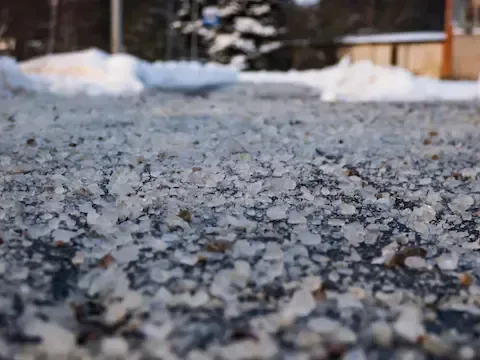
De-Icing Driveways in Rochelle IL: Homeowner Manual
Winter in Rochelle brings temperatures that can drop well below freezing, creating hazardous ice conditions on your driveway that require immediate attention. The key to effective driveway de-icing lies in understanding how different ice melt products perform in Northern Illinois cold, applying them at proper rates before ice forms, and maintaining treated surfaces throughout extended cold snaps. Your choice of de-icing material, timing of application, and understanding of temperature limitations directly impact both safety and the longevity of your concrete or asphalt surfaces.
Understanding Ice Melt Products for Northern Illinois Conditions
Rochelle's winter temperatures demand specific ice melt products that remain effective in sub-zero conditions. Sodium chloride, the most common road salt, stops working effectively around 15°F, making it insufficient for many Northern Illinois winter days. Calcium chloride performs down to -25°F and generates heat as it dissolves, making it ideal for emergency situations and extremely cold weather. Magnesium chloride works to approximately -13°F and causes less concrete damage than other chloride-based products.
Potassium chloride offers the gentlest option for concrete surfaces but only functions effectively to about 25°F, limiting its usefulness during Rochelle's coldest periods. Calcium magnesium acetate provides an environmentally friendly alternative that works to around 20°F, though it costs significantly more than traditional salt products. Understanding these temperature thresholds helps you select the right product for current conditions rather than applying ineffective materials.
Product purity matters significantly in extreme cold. Higher-grade ice melts contain fewer impurities and perform more consistently at their rated temperatures. Generic rock salt often contains debris that reduces melting effectiveness and can scratch concrete surfaces. Professional-grade products cost more initially but require smaller application amounts and deliver more reliable results during critical weather events.
Pre-Treatment and Preventive Application Strategies
Applying ice melt before precipitation begins prevents ice bond formation and makes removal easier once snow or freezing rain stops. Pre-treatment works best when applied to dry surfaces 12-24 hours before expected weather events. This timing allows the product to settle into concrete pores and asphalt texture, creating an anti-icing layer that prevents initial ice adhesion.
Weather forecasting becomes crucial for effective pre-treatment timing. Rochelle typically experiences temperature swings that can cause treated surfaces to wash away if rain occurs before freezing. Monitor local forecasts for precipitation type changes, as freezing rain requires different pre-treatment amounts than anticipated snow. Light applications of calcium chloride work best for pre-treatment, using approximately 2-4 pounds per 1,000 square feet.
Surface preparation enhances pre-treatment effectiveness. Clean driveways of leaves, debris, and standing water before applying ice melt products. Wet surfaces dilute ice melt concentration and reduce effectiveness. Allow puddles to drain or squeegee excess water away before treatment. Pre-treating clean, dry surfaces provides maximum protection and uses materials efficiently.
Application Rates and Distribution Techniques
Proper application rates prevent waste while ensuring adequate coverage for ice control. Over-application damages concrete and vegetation while under-application leaves dangerous ice patches. For sodium chloride, use 2-8 pounds per 1,000 square feet depending on ice thickness and temperature. Calcium chloride requires only 2-6 pounds per 1,000 square feet due to its superior melting power and heat generation.
Even distribution ensures consistent melting across your entire driveway surface. Hand-broadcasting works for small areas but often creates uneven coverage with concentrated spots that can damage concrete. Broadcast spreaders provide uniform application for larger driveways, allowing precise rate control and consistent coverage. Walk at steady speeds while operating spreaders to maintain even distribution patterns.
Application timing relative to ice formation affects product performance significantly. Applying ice melt to existing ice requires higher rates than pre-treatment applications. Break up thick ice manually before applying products to increase surface contact and accelerate melting. Multiple light applications often work better than single heavy applications, especially during extended freezing periods when reapplication becomes necessary.
Temperature Limitations and Product Selection
Northern Illinois winter temperatures frequently exceed the effective range of common ice melt products, requiring strategic product selection based on forecasted conditions. When temperatures drop below 0°F, only calcium chloride and specialized blends remain effective. These extreme cold events demand higher application rates and may require reapplication as temperatures fluctuate.
Wind chill affects ice melt performance differently than air temperature. Products that work adequately in still air may fail when wind increases heat loss from treated surfaces. Sheltered driveway areas near buildings often maintain ice melt effectiveness longer than exposed areas subject to wind. Consider these microclimates when planning application strategies and product selection.
Temperature cycling between freezing and thawing creates challenging conditions for ice melt products. Repeated freeze-thaw cycles can wash away applied materials and create refreezing in untreated areas. During these periods, monitor treated surfaces frequently and reapply products as needed to maintain safe conditions. Professional de-icing services often prove more cost-effective during extended periods of challenging weather.
Preventing Refreezing and Maintaining Treated Surfaces
Refreezing occurs when melted ice water lacks sufficient ice melt concentration to prevent re-solidification as temperatures drop. This commonly happens during temperature swings or when precipitation dilutes applied products. Maintaining residual ice melt on treated surfaces prevents refreezing by keeping dissolved salt concentration above critical levels.
Drainage patterns affect refreezing potential significantly. Melted ice water that flows to untreated areas and returns can refreeze on treated surfaces. Ensure proper driveway drainage directs meltwater away from treated areas. Clear drain openings and remove ice dams that could cause backup and refreezing in treated zones.
Reapplication timing prevents dangerous refreezing conditions. Monitor weather forecasts for temperature drops following initial melting periods. Apply additional ice melt before temperatures fall below product effectiveness ranges rather than waiting for refreezing to occur. This proactive approach maintains safe conditions and reduces total product usage over extended winter periods.
Common De-Icing Mistakes and Misconceptions
Many homeowners believe more ice melt always provides better results, leading to over-application that damages concrete and wastes money. Excessive application can actually slow melting by creating oversaturated solutions that take longer to generate heat. Follow manufacturer recommendations and adjust only for extreme conditions or thick ice accumulations.
Using hot water to accelerate ice melting seems logical but often creates more problems than solutions. Hot water can crack concrete through thermal shock, and the melted ice typically refreezes quickly without adequate ice melt residue. This approach wastes time and potentially damages driveway surfaces while providing only temporary relief.
Mixing different ice melt products can reduce effectiveness rather than improving performance. Chemical interactions between different compounds can neutralize melting action or create solutions that perform worse than individual products. Stick to single products or use manufacturer-formulated blends designed for compatibility and enhanced performance in specific temperature ranges.
Timing mistakes cost money and compromise safety. Applying ice melt to actively falling snow reduces effectiveness as new precipitation dilutes the product. Wait for precipitation to stop or apply during lighter snowfall periods. Similarly, applying products to wet surfaces from rain dilutes concentration and reduces melting power.
Environmental and Surface Protection Considerations
Chloride-based ice melts can damage concrete through freeze-thaw cycling and chemical reactions, particularly on newer concrete less than one year old. These products can also harm vegetation adjacent to treated areas through salt burn and soil contamination. Consider using calcium magnesium acetate or sand near sensitive plantings, though these alternatives provide less ice control.
Proper storage protects both ice melt effectiveness and surrounding areas. Store products in waterproof containers away from metal items that could corrode from salt exposure. Keep materials dry to prevent clumping and maintain dissolving properties. Store away from vehicles and tools to prevent accidental corrosion damage during winter months.
Runoff management protects landscaping and local water sources from salt contamination. Direct melted water away from planted areas when possible, and avoid over-application that creates excessive runoff. Spring cleanup should include soil testing near treated areas and possible soil amendment if salt levels become problematic for plant growth.
Professional Services and When to Consider Them
Large driveways, steep grades, and extended cold periods often justify professional de-icing services rather than homeowner application. Commercial applicators have access to specialized equipment, bulk products, and weather monitoring systems that ensure consistent results throughout winter seasons. They also carry insurance for any surface damage that might occur during treatment.
Emergency situations require immediate professional response capabilities that most homeowners cannot provide. Ice storms, unexpected temperature drops, and equipment failures can create dangerous conditions requiring immediate attention. Professional services maintain 24-hour response capabilities and backup equipment to handle emergency situations safely and effectively.
Cost analysis should include product costs, application time, storage requirements, and potential damage from improper application. Professional services often cost less than homeowner application when factoring in equipment purchases, product waste, and time invested. They also provide liability protection and guaranteed results that eliminate weather-related safety concerns.
Seasonal Planning and Preparation
Successful winter de-icing begins with fall preparation and product procurement before seasonal demand increases prices and reduces availability. Purchase ice melt products in late fall when selection remains good and prices stay reasonable. Calculate seasonal requirements based on driveway size, historical weather patterns, and chosen products to avoid mid-winter shortages.
Equipment preparation ensures reliable application capability throughout winter months. Test spreaders and repair any mechanical issues before cold weather arrives. Clean and lubricate moving parts to prevent freezing during use. Have backup manual application tools available for equipment failures or small touch-up applications between major treatments.
Weather monitoring becomes essential for effective de-icing planning. Reliable forecasting helps time pre-treatments and product applications for maximum effectiveness. Understanding Rochelle's typical weather patterns helps predict challenging periods and plan accordingly. Consider the driveway clearing playbook for comprehensive winter maintenance strategies that complement de-icing efforts.
Create application logs to track product usage, effectiveness, and costs throughout winter seasons. This information helps optimize future product selection and application strategies. Note which products work best in specific temperature ranges and weather conditions common to Rochelle. Use this data to improve efficiency and reduce costs in subsequent winters.
