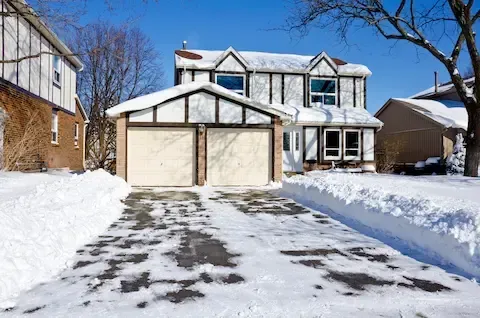
Pre-Storm Snow Removal Checklist for Rochelle Homeowners
Before a Northern Illinois storm hits Rochelle, the most effective snow removal happens before the first flake falls. Clear high-priority access points, position your vehicle away from driveways, stock salt or ice melt, check gutters for ice dam risk, and confirm your service is scheduled. Homeowners who prepare 12 to 24 hours ahead avoid icy buildup that compounds removal difficulty. This checklist walks through each step so your property is ready when the storm arrives.
Step 1: Stage Your Vehicles and Equipment
Move vehicles out of the driveway and into the garage if possible, or park on the street in a location that does not block snow plow lanes. In Rochelle, City street plows run along primary corridors first, so check which side of the street is scheduled for early clearing. Pull snow blowers, shovels, and ice scrapers to an accessible location — not buried behind stored items in the garage. Cold starts on equipment are harder; if you use a gas-powered snow blower, run it briefly to confirm it starts before the storm.
Step 2: Stock and Pre-Position Ice Melt or Salt
Rock salt, calcium chloride, and magnesium chloride all perform differently in Northern Illinois temperatures. Rock salt loses effectiveness below 15°F, which is common in Ogle County winters. Calcium chloride works down to -25°F and is worth stocking for hard freezes. Keep your ice melt in a sealed container near your primary entry point — front door, side door, or garage — so it is immediately accessible after the storm passes. Do not apply ice melt to surfaces before snow falls unless freezing rain is forecast; it washes away and wastes product.
Step 3: Clear Gutters and Downspout Outlets
Heavy snow followed by a temperature rise creates snowmelt that needs a clear path off the roof and away from the foundation. Clogged gutters in late fall carry debris into winter and become ice dams under freeze-thaw cycles common in Rochelle from December through February. Walk the perimeter of your home before the storm and confirm downspout outlets are not buried or blocked. A blocked downspout during a storm can force water back toward the foundation once melt begins.
Step 4: Mark Driveway Edges and Hazards
Snow cover hides driveway edges, low curbs, landscape lighting, and irrigation heads. Driveway marker stakes installed before the storm protect both your property and anyone performing Snow Removal on your behalf. Use reflective orange or yellow stakes at the corners of the apron and along any curves. In Rochelle, where drifting off open fields is common on the northwest side of town, marking the full driveway perimeter prevents equipment from running into landscaping buried under drifted snow.
Step 5: Identify and Pre-Clear High-Priority Access Points
Before the storm, identify which access points must stay clear throughout: the main entry, any emergency egress, gas meter, electrical panel access, and HVAC vents. Ground-level furnace and dryer vents can become blocked by drifting snow, creating a carbon monoxide risk inside the home. Locate every exterior vent and note its position so you can check it immediately after heavy accumulation. If you have a generator, confirm its exhaust path will remain clear as well.
Step 6: Confirm Your Snow Removal Plan or Service
If you use a professional service, confirm your property is on the schedule before the storm begins — not after. Most Rochelle-area providers trigger service at a set accumulation threshold, often two inches. Understand whether your contract covers a single push or multiple visits during a long event. If you are handling removal yourself, plan your first pass timing: clearing during the storm at the halfway point of accumulation is easier than waiting for a full foot to settle and compact. Understanding when snow depth warrants removal helps you decide when to act rather than waiting too long.
Step 7: Protect Entry Surfaces Overnight
Concrete and paver entry surfaces absorb water during the day and freeze overnight when temperatures drop. Before a forecast storm, apply a thin layer of sand to high-traffic entry steps if you want traction without chemical application. Sand does not melt ice but provides grip. Avoid using sand on pavers or decorative concrete where it can lodge in joints. If temperatures are forecast to drop sharply before snow begins, a light pre-treatment of calcium chloride on steps and the entry apron is appropriate and will prevent initial bonding of snow to the surface.
Step 8: Check Neighbors and Shared Access Points
In older Rochelle neighborhoods with shared alleys or adjacent driveways, coordinate with neighbors before the storm. Piled snow from one property can block another's access or push onto cleared areas. If you share a driveway or alley with a neighboring property, agree on a staging area for piled snow before accumulation begins. This is especially relevant along the downtown corridor and in established residential areas near Route 38 where lot widths are narrower and space for snow storage is limited.
