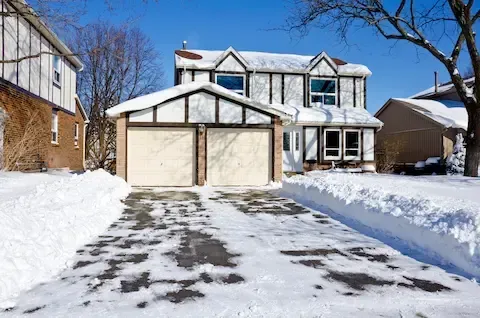
How Much Snow Triggers a Removal Call in Rochelle IL
Most snow removal contracts in Rochelle IL activate at 2 inches of accumulation, though this threshold varies based on snow type, temperature, and timing. Heavy wet snow may trigger calls at 1.5 inches, while light powder snow often requires 2.5-3 inches before removal becomes necessary. Commercial properties typically have lower thresholds than residential contracts, with many businesses requesting service at just 1 inch to maintain accessibility.
What Snow Depth Typically Triggers Professional Removal in Rochelle?
The standard trigger depth for professional snow removal in Rochelle ranges from 1.5 to 2.5 inches, with 2 inches being the most common contract threshold. This measurement represents accumulated snow depth, not the amount currently falling. Service providers measure accumulation at multiple points across a property to account for drifting and uneven distribution.
Commercial contracts often specify lower thresholds because businesses need accessible parking lots and walkways before opening hours. Many retail locations and office buildings in downtown Rochelle request Snow Removal services when accumulation reaches just 1 inch to ensure customer and employee safety.
Residential contracts typically allow for slightly higher accumulation before triggering service calls. Most homeowners can navigate driveways with 2-2.5 inches of snow, making this the preferred threshold for cost-effective residential snow management.
How Does Snow Type Affect the Trigger Threshold?
Heavy wet snow creates different removal challenges than light powder snow, often requiring service at lower accumulation levels. Wet snow weighs significantly more and compacts quickly under vehicle traffic, making it harder to remove once it exceeds 1.5 inches depth.
Light powder snow allows for higher trigger thresholds because it moves easily and doesn't compact as readily. However, wind can create significant drifting with powder snow, requiring removal crews to focus on areas where accumulation exceeds the general depth across the property.
Ice storms and freezing rain events trigger immediate service calls regardless of snow depth. These conditions create hazardous surfaces that require salt application and ice removal before any additional snowfall occurs.
What Factors Influence When Property Owners Call for Service?
Temperature plays a crucial role in determining when to call for snow removal. Snow falling when temperatures hover around 32°F creates slushy conditions that become problematic at lower accumulation levels than snow falling in colder conditions.
Timing of snowfall significantly impacts trigger decisions. Snow that falls overnight and stops by morning allows for standard threshold application. However, snow that continues falling during business hours may require service at lower accumulation levels to maintain safe access throughout the day.
Property usage patterns also affect trigger thresholds. High-traffic areas like medical facilities and emergency services require removal at minimal accumulation, while storage facilities or seasonal businesses may tolerate higher snow depths before requesting service.
For comprehensive planning that addresses these variables, property owners should review our Northern Illinois snow plan to understand how different contract options accommodate varying trigger requirements.
How Do Commercial Properties Handle Different Trigger Requirements?
Retail establishments typically maintain the lowest trigger thresholds, often requesting service when snow depth reaches 1 inch. Customer accessibility and liability concerns drive these requirements, particularly for businesses that rely on foot traffic throughout winter months.
Office complexes usually specify 1.5-2 inch thresholds, balancing employee safety with cost management. Many office buildings coordinate removal timing with employee arrival schedules to ensure cleared parking areas during peak usage hours.
Industrial properties may allow higher accumulation before triggering service calls, particularly for areas with limited foot traffic. However, loading docks and emergency access routes typically maintain lower thresholds regardless of overall property requirements.
What Role Does Weather Forecasting Play in Trigger Decisions?
Weather forecasts help property owners and service providers make proactive decisions about snow removal timing. When forecasts predict continued snowfall after initial accumulation, many contracts include provisions for early service calls to prevent excessive buildup.
Temperature forecasts influence trigger decisions significantly. If warming temperatures are predicted within hours of snowfall, some property owners choose to delay service calls, knowing natural melting will assist with removal.
Wind forecasts affect trigger decisions for properties prone to drifting. Areas that typically experience significant snow redistribution may require service at lower overall accumulation levels to address specific problem zones.
How Do Emergency Situations Override Standard Trigger Depths?
Emergency access requirements override standard trigger depths for critical facilities. Hospitals, fire stations, and police facilities maintain immediate removal protocols regardless of snow accumulation levels.
Severe weather warnings can trigger preemptive snow removal even before significant accumulation occurs. Ice storm warnings or blizzard conditions often prompt service calls to clear existing snow before conditions worsen.
Equipment failures or staffing issues may require adjusted trigger thresholds during storm events. Properties with backup removal plans often have flexible trigger requirements that account for service provider availability during peak demand periods.
