Pet-Safe Ice Melt Choices for Rochelle IL Families
Keeping your driveway and walkways clear during a Rochelle winter is non-negotiable, but if you share your home with a dog or cat, the wrong ice melt product can cause real harm. Paws absorb chemicals from treated surfaces, pets lick their feet after walks, and curious animals sometimes nose around bags left in the garage. Understanding which deicing products are safer for households with animals helps you make a smarter choice before the next snowstorm rolls through Ogle County.
Why Standard Rock Salt Is a Problem for Pets
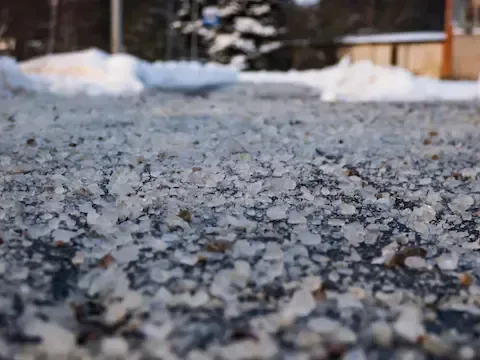
Traditional rock salt, also called sodium chloride, is the cheapest and most widely used ice melt on the market. It works by lowering the freezing point of water, but it does so at a cost. Sodium chloride is corrosive to paw pads, causing cracking, redness, and chemical burns with repeated exposure. If a dog walks across a salted sidewalk on Seventh Avenue and then licks its paws at home, it ingests sodium, which in larger amounts can lead to excessive thirst, vomiting, and in serious cases, sodium ion poisoning.
Cats face similar risks, and because they are meticulous groomers, they may ingest more residue than dogs that only occasionally lick their feet. Beyond the pet health concerns, rock salt is hard on concrete, kills grass along driveway edges, and can damage the paving surfaces around your home over time. For Rochelle families with pets, the tradeoffs are significant enough to justify looking at alternatives.
Pet-Friendlier Ingredients to Look For
No ice melt product is completely risk-free in large quantities, but some formulations carry substantially lower toxicity profiles than sodium chloride. When you are shopping at hardware stores or farm supply locations in and around Rochelle, look for products with these active ingredients:
- Calcium magnesium acetate (CMA): Derived from acetic acid and dolomitic limestone, CMA is one of the gentler options for both paws and vegetation. It works more slowly than chloride-based products but is biodegradable and far less corrosive.
- Urea: Commonly used in fertilizers, urea melts ice without chlorides. It is less toxic to animals than rock salt, though it can contribute to nitrogen runoff if overused near Rochelle's drainage areas along the Rock River basin.
- Potassium chloride: Less corrosive to paw pads than sodium chloride, though it still contains chloride ions. It is often marketed in blended pet-safer products and performs reasonably well in moderate cold.
- Propylene glycol-based products: Non-toxic propylene glycol is used in some liquid deicers and is considered safe for animals. Do not confuse this with ethylene glycol, which is the antifreeze compound and is extremely toxic to both dogs and cats.
You will see several branded products on shelves that combine these ingredients and label themselves as pet-safe. Read the label carefully because marketing language is not regulated the same way active ingredient disclosures are. Look for the ingredient list, not just the front-of-bag claims.
Practical Application Tips for Rochelle Homeowners
Even the safest product causes problems if it is applied carelessly. A few habits reduce risk significantly for households with animals in Rochelle and the surrounding Northern Illinois area.
Apply ice melt before a storm when possible. Pre-treating surfaces means you use less product overall because the chemical is already present when snow begins to accumulate. Less product on the ground means less exposure for paws and less chemical tracked into your home. The freeze-thaw cycles common in Ogle County winters, where temperatures swing between the low twenties and mid-thirties over a single day, make pre-treatment particularly effective.
Use the minimum effective amount. Over-application is one of the most common mistakes homeowners make. Thick layers of granules do not melt ice faster; they just create more residue that sticks to paws and shoes. Spread products thinly and evenly, then sweep or shovel away the slush once it forms.
Wipe your pet's paws after every outdoor walk. A damp cloth or pet-specific paw wipe removes chemical residue before your dog or cat has a chance to groom it off. This single step eliminates most of the ingestion risk regardless of which product your neighbors are using on their sidewalks.
Store ice melt in sealed containers away from pets. A bag left open in a garage or mudroom is an invitation for a curious dog to investigate. Keep products in latched bins or on high shelves.
When to Call a Professional Snow and Ice Service
Some homeowners find it easier to hand off the product selection and application entirely to a professional. A local De-Icing service with experience in Northern Illinois conditions knows which products perform at the temperatures Rochelle typically sees in January and February, and can calibrate application rates to keep surfaces safe without excess chemical use. Professional equipment also applies materials more evenly than hand broadcasting from a jug or bag.
If your household includes elderly pets, animals with existing paw irritation, or breeds with known sensitivities, outsourcing ice management removes one more variable from the equation. You get clear surfaces without having to guess at product compatibility or application rates in the middle of a snowstorm.
Comparing Formulations Side by Side
If you have been reading about rock salt versus calcium chloride options, you already know that calcium chloride outperforms sodium chloride in low temperatures, melting ice effectively down to around negative twenty-five degrees Fahrenheit. That matters during deep cold snaps in Ogle County. However, calcium chloride is also a chloride compound, which means it still carries paw irritation risk, though it is generally considered less corrosive than sodium chloride at equivalent application rates.
For most Rochelle families with pets, a blended product that pairs a small amount of calcium chloride for low-temperature performance with a larger proportion of CMA or urea provides a reasonable balance between effectiveness and animal safety. These blends are available at regional home improvement and agricultural supply retailers and are worth the modest price increase over plain rock salt.
Keeping the Whole Family Safe This Winter
Rochelle winters can stack up quickly, and safe footing on your driveway and front walk matters for everyone in the household, including the four-legged members. Choosing products with lower toxicity profiles, applying them sparingly, wiping paws consistently, and storing materials securely covers most of the risk without sacrificing traction or requiring you to leave surfaces untreated. When in doubt about which product works best for your specific situation or property layout, a local snow management professional can offer guidance grounded in actual Northern Illinois conditions rather than general national recommendations.
