Fall Cleanup in Rochelle IL: A Homeowner Walkthrough
Fall cleanup in Rochelle transforms your property from summer's end into winter-ready condition while protecting your landscape investment through Northern Illinois' challenging seasonal transition. October through early November marks the critical window when homeowners must address leaf accumulation, prepare garden beds, clean gutters, and winterize lawns before Zone 5a's first hard frost arrives.
The timing of fall cleanup activities in Rochelle directly correlates with local weather patterns and the specific needs of Northern Illinois landscapes. Your property faces unique challenges including heavy maple and oak leaf drops, fluctuating temperatures that can damage unprepared plants, and the need for thorough preparation before snow cover arrives in December.
Essential Fall Cleanup Components for Rochelle Properties
Comprehensive fall cleanup encompasses multiple interconnected tasks that work together to protect your landscape. Leaf removal forms the foundation of fall cleanup, but effective preparation extends far beyond simply clearing fallen foliage from lawn surfaces.
Leaf management requires strategic timing in Rochelle. Oak trees continue dropping leaves well into November, while maples typically finish their leaf drop by mid-October. Rather than multiple cleanup sessions, most homeowners benefit from waiting until 80% of leaves have fallen before beginning major removal efforts.
Garden bed preparation involves cutting back perennials, removing annual plants, and applying protective mulch layers. Perennials like hostas, daylilies, and ornamental grasses should be cut to 2-3 inches above ground level after the first killing frost. However, plants with attractive seed heads or winter interest can remain standing until spring.
Lawn winterization includes final mowing, fertilizer application, and aeration if needed. Your final mow should reduce grass height to approximately 2.5 inches, preventing snow mold development while maintaining adequate crown protection. Late-season fertilizer applications help grass roots store energy for spring emergence.
Gutter cleaning becomes critical as leaves accumulate in roofing systems. Clogged gutters cause ice dam formation during winter months, potentially leading to roof damage and interior water infiltration. Professional Fall Cleanup services address these interconnected systems systematically.
Timing Fall Cleanup Activities Around Northern Illinois Weather
Northern Illinois' Zone 5a climate requires precise timing for fall cleanup activities. The average first frost date in Rochelle occurs between October 10th and 20th, marking the beginning of serious fall preparation work.
Early October focuses on tender plant protection and initial leaf management. Geraniums, impatiens, and other frost-sensitive annuals should be removed after the first light frost. Hardy annuals like pansies and mums can remain until harder freezes arrive.
Mid-October represents peak cleanup season when most deciduous trees reach maximum leaf drop. This period offers ideal weather conditions for outdoor work, with moderate temperatures and typically dry conditions. Soil remains workable for bed preparation and any necessary planting adjustments.
Late October through early November completes the cleanup process. Final leaf removal, gutter cleaning, and lawn winterization tasks should finish before consistent freezing temperatures arrive. Ground preparation for winter becomes impossible once soil freezes, making this final window crucial.
Weather monitoring helps optimize cleanup timing. Extended warm periods in November allow additional cleanup opportunities, while early cold snaps may accelerate necessary preparations. Flexibility in scheduling ensures all tasks complete before winter conditions prevent further work.
Leaf Management Strategies for Rochelle Landscapes
Effective leaf management balances removal needs with environmental benefits. Complete leaf removal from lawn areas prevents grass smothering and disease development, but leaves provide valuable organic matter when managed properly.
Mulching leaves directly on lawn areas works effectively when leaf coverage remains light. Mowers equipped with mulching blades chop leaves into small pieces that decompose quickly, adding organic matter to soil. However, thick leaf layers require removal to prevent grass damage.
Composting fallen leaves creates valuable soil amendment for future use. Shredded leaves decompose faster than whole leaves, creating rich compost within 6-12 months. Mixing leaves with grass clippings and kitchen scraps accelerates decomposition while balancing carbon and nitrogen ratios.
Bed application utilizes leaves as natural mulch around trees, shrubs, and perennial plantings. A 2-3 inch layer of shredded leaves provides winter protection while suppressing weed growth. Avoid piling leaves against tree trunks, which can harbor rodents and promote bark damage.
Professional removal services handle large-scale leaf cleanup efficiently. Commercial equipment processes heavy leaf volumes quickly, ensuring thorough cleanup without damaging underlying grass or landscape features. This approach works particularly well for properties with extensive tree coverage.
Garden Bed Winterization and Plant Protection
Proper bed preparation protects plant investments through Northern Illinois winters while simplifying spring startup tasks. Different plant categories require specific preparation approaches based on their cold tolerance and growth habits.
Perennial cutback timing affects winter survival and spring performance. Early-flowering perennials like peonies and daylilies benefit from fall cutback, reducing disease carryover and pest habitat. However, ornamental grasses and plants with attractive seed heads can remain standing for winter interest.
Mulch application provides crucial winter protection for marginally hardy plants and newly installed landscaping. A 3-4 inch layer of shredded leaves, bark chips, or straw insulates root systems against freeze-thaw cycles. Apply mulch after the ground begins freezing but before hard winter weather arrives.
Tree and shrub preparation includes deep watering before ground freeze and protective wrapping for vulnerable specimens. Newly planted trees benefit from burlap windscreens, while established plantings may need only thorough watering and mulch renewal.
Rose preparation varies by type and hardiness. Hybrid teas require mounding soil around the base after several hard frosts, while shrub roses and rugosas need only basic cleanup and mulching. Climbing roses benefit from cane bundling and winter wrapping in exposed locations.
Lawn Winterization Techniques for Zone 5a Conditions
Proper lawn winterization ensures healthy spring emergence while preventing common winter damage issues. Northern Illinois conditions require specific timing and techniques for optimal results.
Final mowing height significantly impacts winter survival. Grass cut too short lacks energy reserves and crown protection, while grass left too long promotes snow mold development. The ideal final height of 2.5 inches balances these competing concerns.
Late-season fertilization provides roots with energy storage for winter survival and spring growth. High-potassium fertilizers improve cold tolerance while promoting root development. Application timing should occur 4-6 weeks before ground freeze for optimal nutrient uptake.
Aeration benefits compacted lawns by improving drainage and reducing ice damage potential. Fall aeration allows time for soil settlement before winter while creating channels for spring water infiltration. Core aeration works better than spike aeration for addressing serious compaction issues.
Overseeding opportunities exist during early fall cleanup periods. Cool-season grasses germinate well in September and early October, establishing root systems before winter dormancy. Combining overseeding with aeration maximizes seed-to-soil contact for better germination rates.
Equipment and Safety Considerations for DIY Cleanup
Successful fall cleanup requires proper equipment selection and safety awareness. The scale and complexity of cleanup tasks determine whether DIY approaches or professional services provide better value.
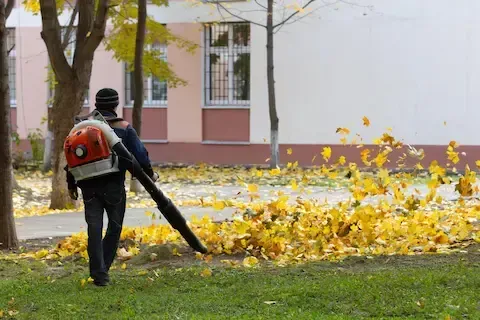
Leaf removal equipment ranges from basic rakes to powerful backpack blowers. Rakes work well for small areas and provide good exercise, while blowers handle large volumes efficiently. Mulching mowers eliminate the need for separate leaf collection in many situations.
Ladder safety becomes crucial during gutter cleaning activities. Proper ladder placement, stable footing, and awareness of overhead power lines prevent serious accidents. Many homeowners choose professional services for multi-story gutter cleaning due to safety concerns.
Tool maintenance extends equipment life while ensuring reliable performance. Clean tools after each use, sharpen cutting implements, and store equipment properly for winter. Well-maintained tools perform better and last longer, reducing long-term replacement costs.
Physical preparation prevents injury during intensive cleanup work. Stretching before beginning work, taking regular breaks, and using proper lifting techniques reduce strain and injury risk. Heavy lifting tasks may require assistance or professional handling.
Professional vs. DIY Fall Cleanup Decision Factors
The choice between professional services and DIY cleanup depends on multiple factors including property size, available time, physical capability, and desired results. Understanding these factors helps homeowners make informed decisions.
Time investment for comprehensive cleanup varies significantly based on property size and tree coverage. A typical suburban lot requires 8-16 hours of cleanup work, while larger properties or those with extensive landscaping may need 20+ hours of effort spread across multiple weekends.
Equipment requirements can make DIY cleanup expensive for occasional use. Professional-grade blowers, aerators, and other specialized tools represent significant investments for homeowners who use them only seasonally. Rental costs plus labor time often approach professional service pricing.
Quality considerations favor professional services for complex tasks. Experienced crews complete work faster while achieving better results, particularly for specialized tasks like deep gutter cleaning or large-scale leaf removal. Professional services also carry insurance coverage for property protection.
Seasonal scheduling challenges affect DIY cleanup success. Weather delays, equipment availability, and competing weekend activities can push cleanup tasks into less favorable timing windows. Professional services maintain flexible schedules and weather-appropriate equipment for optimal timing.
For comprehensive guidance on preparing your property for the growing season, the spring cleanup plan provides detailed strategies that complement fall preparation efforts.
Local Considerations for Rochelle Fall Cleanup
Rochelle's specific municipal requirements and local environmental conditions influence fall cleanup approaches. Understanding these local factors ensures compliance while optimizing cleanup effectiveness.
Leaf disposal options in Rochelle include municipal composting programs and private waste management services. The city typically provides seasonal leaf collection services with specific scheduling and preparation requirements. Homeowners should verify current collection schedules and acceptable preparation methods.
Local tree species affect cleanup timing and volume. Rochelle's mature oak populations continue dropping leaves through November, while the abundance of maple trees creates concentrated leaf drop periods in mid-October. Understanding local tree distribution helps plan cleanup scheduling.
Soil conditions in Northern Illinois affect fall preparation techniques. Heavy clay soils common in the region require different approaches than sandy soils, particularly for aeration and drainage considerations. Local soil testing helps optimize fertilization and amendment strategies.
Weather pattern variations influence yearly cleanup needs. Rochelle experiences periodic early winters or extended falls that affect optimal cleanup timing. Monitoring local weather forecasts and soil temperature helps adjust cleanup schedules for changing conditions.
