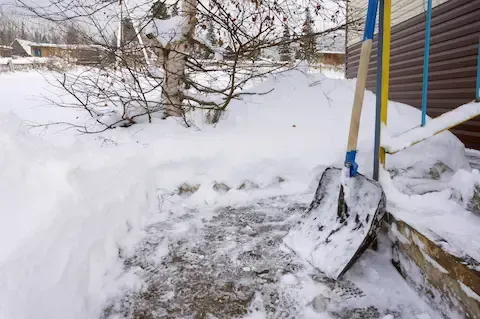
Entrance Snow Clearing for Rochelle Illinois Homes
Winter weather in Rochelle brings unique challenges for homeowners trying to maintain safe, accessible entryways. Snow accumulation at front doors, side entrances, and porch areas creates immediate safety hazards and can prevent emergency access when you need it most. Professional entrance snow clearing services ensure your doorways remain functional and secure throughout Northern Illinois winter conditions.
Understanding Entrance Snow Clearing Needs
Entrance snow clearing goes beyond simply shoveling your front steps. It involves comprehensive removal of snow and ice from all access points to your home, including main doorways, side entrances, porch landings, and the immediate walkway areas that connect to these spaces. In Rochelle, where winter storms can dump several inches of snow in a matter of hours, having a systematic approach to entrance clearing becomes essential for daily safety and convenience.
The process requires attention to drainage patterns around your home's foundation, understanding how wind patterns affect snow drift accumulation, and recognizing which areas are most prone to dangerous ice formation. Professional services evaluate each property's unique layout to develop targeted clearing strategies that address the specific challenges your entrances face during Northern Illinois winter weather.
Effective entrance clearing also considers the different types of surfaces around your doorways. Concrete steps require different treatment than wooden decking, while covered porches present distinct challenges compared to exposed entryways. The goal is creating and maintaining clear, safe passage that remains functional even during the most severe winter conditions Rochelle experiences.
Critical Areas Requiring Professional Attention
Front door areas demand immediate attention during any snow event. These primary access points see the most foot traffic and require the widest clearing zones to accommodate daily comings and goings. Snow removal here must extend far enough from the door to allow for safe opening and closing, while also providing stable footing for anyone entering or exiting the home.
Side and back entrances often present more complex clearing challenges. These areas may have limited space for snow placement, unusual drainage patterns, or architectural features that create problematic snow accumulation. Many Rochelle homes have side doors that access garages, basements, or utility areas, and these entrances require consistent maintenance to ensure functionality throughout the winter season.
Covered porches and enclosed entryways create their own set of considerations. While these areas receive some protection from direct snowfall, they often experience significant snow blowing and drifting. The covered areas can also create ice formation issues when melting snow refreezes, creating particularly treacherous conditions that require specialized treatment approaches.
Multi-level entrances with steps, landings, and railings need comprehensive clearing that addresses each component. Snow removal from steps must be thorough enough to prevent ice formation, while handrails require cleaning to ensure safe grip during use. Landing areas need adequate clearing to provide stable standing areas, and the transitions between different levels must remain clearly visible and safely navigable.
Timing and Frequency Considerations
The timing of entrance snow clearing can mean the difference between manageable maintenance and emergency situations. Starting removal efforts while snow is still falling often provides better results than waiting for storms to end, particularly when dealing with wet, heavy snow that becomes increasingly difficult to move as it accumulates.
Frequency requirements vary based on storm intensity, temperature fluctuations, and the specific exposure characteristics of each entrance. Some doorways may need attention multiple times during a single storm event, while others can be effectively managed with less frequent service. Professional services monitor weather conditions and adjust schedules accordingly to ensure entrances remain accessible when you need them.
Pre-storm preparation also plays a crucial role in effective entrance management. This includes removing obstacles that could interfere with snow removal equipment, ensuring adequate lighting for safe work during early morning or evening hours, and identifying potential problem areas before they become critical issues during active storm conditions.
Post-storm follow-up addresses the refreeze cycles common in Northern Illinois winter weather. Even after initial clearing, temperature fluctuations can create new ice formation that requires additional treatment. Professional services often include follow-up visits to address these secondary ice formation issues and ensure continued safety.
Common Mistakes in DIY Entrance Clearing
Many homeowners underestimate the physical demands and safety risks involved in thorough entrance clearing. Attempting to clear heavy, wet snow without proper techniques or equipment can lead to injury, while inadequate clearing creates ongoing safety hazards for residents and visitors. The repetitive nature of snow removal throughout a typical Rochelle winter season makes proper technique and equipment selection crucial for long-term success.
Improper snow placement represents another frequent error in DIY clearing efforts. Piling snow too close to doorways creates drainage problems when melting begins, while placing snow in areas that block natural water flow can cause ice formation and foundation issues. Understanding proper snow placement requires knowledge of your property's drainage patterns and seasonal water flow characteristics.
Inadequate ice treatment often accompanies DIY clearing efforts. Simply removing snow without addressing underlying ice conditions leaves entrances dangerous and potentially unusable. Effective ice management requires appropriate materials, proper application techniques, and understanding of how different treatment options interact with various surface materials around your entrances.
Inconsistent service during storm events can create accumulation problems that become increasingly difficult to manage. Waiting too long between clearing sessions allows snow to compact and ice to form, creating conditions that require significantly more effort to address safely and effectively.
Local Considerations for Rochelle Properties
Rochelle's location in Northern Illinois creates specific weather patterns that affect entrance snow clearing requirements. The area experiences lake-effect snow influences, temperature swings that create freeze-thaw cycles, and wind patterns that can cause significant drifting around building entrances. Understanding these local conditions helps in developing effective clearing strategies tailored to the region's unique challenges.
Soil conditions and drainage characteristics in Rochelle affect how melting snow behaves around home entrances. Clay-heavy soils common in the area can create drainage challenges that influence where snow should be placed during clearing operations. Professional services understand these local soil characteristics and adjust their snow placement strategies accordingly.
Municipal snow removal schedules and street clearing priorities in Rochelle impact residential entrance clearing timing. Coordinating private entrance clearing with city street operations can help maximize the effectiveness of both services and ensure homeowners maintain access to cleared public roadways.
Local building styles and architectural features common in Rochelle neighborhoods present specific challenges for entrance snow clearing. Many homes feature covered porches, multiple entry levels, or landscaping features that affect snow accumulation patterns. Professional services familiar with these local architectural characteristics can provide more effective clearing strategies.
Professional Equipment and Techniques
Professional entrance snow clearing utilizes specialized equipment designed for working in confined spaces around building entrances. Compact snow blowers, ergonomic shoveling tools, and ice treatment equipment allow for thorough clearing without damaging landscaping, building materials, or decorative features commonly found around home entrances.
Ice management techniques require professional-grade materials and application methods. Commercial ice melting products provide more effective and longer-lasting results than typical consumer options, while proper application ensures maximum effectiveness without causing damage to concrete, vegetation, or metal fixtures around entrances.
Safety equipment and protocols protect both service providers and property owners during clearing operations. Professional services maintain insurance coverage, use appropriate safety gear, and follow established protocols for working around residential properties during winter conditions.
Quality control measures ensure consistent results throughout the winter season. Professional services document clearing activities, monitor effectiveness of their approaches, and adjust techniques based on changing conditions and property-specific requirements.
Integration with Comprehensive Snow Management
Entrance clearing works most effectively when integrated with broader property snow management strategies. Coordinating entrance clearing with the sidewalk clearing plan ensures seamless access from public walkways to your home's entrances, creating a complete pathway system that remains functional throughout winter weather events.
Driveway and entrance clearing schedules should align to maximize convenience and safety. Having your driveway cleared while entrances remain blocked creates frustrating situations, while cleared entrances leading to impassable driveways limit the practical benefits of the service. Professional services coordinate these different clearing activities to provide comprehensive access solutions.
Landscape protection considerations affect both entrance clearing and broader property management. Snow placement decisions made during entrance clearing can impact lawn areas, garden beds, and decorative plantings throughout your property. Integrated planning helps minimize winter damage while maintaining effective snow removal.
Emergency access requirements may dictate specific approaches to entrance clearing that need coordination with other property management activities. Ensuring emergency vehicle access, medical equipment delivery capabilities, and utility service access requires planning that extends beyond basic entrance clearing to encompass broader property accessibility concerns.
Long-term Benefits and Property Protection
Consistent professional entrance clearing helps protect your property's structural integrity and aesthetic value throughout the winter season. Proper snow and ice management prevents damage to concrete surfaces, reduces foundation moisture issues, and maintains the appearance of your home's exterior during the months when curb appeal can be most challenging to preserve.
Safety benefits extend beyond immediate accident prevention to include reduced liability concerns and improved emergency access capabilities. Well-maintained entrances ensure that emergency responders, delivery services, and visitors can safely access your home when needed, while also reducing the risk of slip-and-fall incidents that could result in legal or insurance complications.
The convenience factor of professional entrance clearing becomes particularly valuable during extended winter weather periods common in Northern Illinois. Knowing that your entrances will remain accessible regardless of weather conditions provides peace of mind and eliminates the daily uncertainty of winter weather management.
Professional entrance snow clearing services provide reliable, safe, and effective solutions for maintaining accessible home entrances throughout Rochelle's challenging winter conditions. The investment in professional service pays dividends in safety, convenience, and property protection that extend well beyond the immediate benefits of cleared doorways and walkways.
