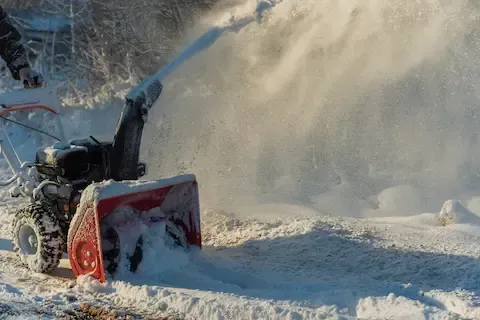
Driveway Snow Clearing in Rochelle IL: Full Playbook
Winter in Rochelle brings unique challenges for homeowners dealing with snow accumulation on their driveways. The combination of lake-effect snow patterns, fluctuating temperatures, and Ogle County's specific weather conditions creates scenarios that demand strategic planning for effective driveway snow clearing. Understanding how to navigate seasonal contracts, equipment choices, and timing considerations will determine whether you spend your winter mornings stuck behind a snowbank or confidently backing out of a clear driveway.
Understanding Rochelle's Snow Patterns
Rochelle's location in northern Illinois subjects the area to diverse winter weather systems that directly impact driveway maintenance strategies. Lake-effect snow from Lake Michigan occasionally reaches the region, creating sudden accumulations that catch many homeowners unprepared. The city typically receives 25-35 inches of snowfall annually, with the heaviest accumulations occurring between December and February.
Temperature fluctuations present particular challenges for driveway snow clearing in Rochelle IL. Daytime thaws followed by overnight freezing create ice layers beneath fresh snow, making removal more complex than simple surface clearing. These conditions require specialized approaches that account for both the visible snow and underlying ice formation.
Wind patterns across Ogle County contribute to uneven snow distribution on residential properties. Driveways facing north or west often accumulate deeper snow due to prevailing winds, while those with eastern exposure may experience significant drifting. Understanding your property's specific exposure helps determine the frequency and intensity of clearing services needed throughout the season.
Equipment Selection for Different Driveway Types
Concrete driveways in Rochelle require different snow clearing approaches compared to asphalt surfaces. Concrete can withstand more aggressive scraping techniques, while asphalt demands gentler methods to prevent surface damage during freeze-thaw cycles. Professional services adjust their equipment selection based on your driveway's composition and current condition.
Gravel driveways present unique challenges for residential snow plowing Northern Illinois operations. Traditional plowing can displace gravel, creating spring repair issues. Many contractors use specialized shoes on their plow blades or alternative clearing methods like snow blowing to preserve gravel integrity while maintaining access.
Steep or curved driveways require specialized equipment and techniques. Standard plowing equipment may not provide adequate traction or maneuverability on sloped surfaces. Contractors often employ smaller, more maneuverable equipment or combine mechanical clearing with strategic salt application to ensure safe access without damaging landscaping or hardscaping features.
Timing Strategies for Optimal Results
Early morning clearing provides the best foundation for day-long accessibility, particularly for families with school or work commutes. Most professional services begin operations between 4 AM and 6 AM, ensuring driveways are clear before peak departure times. This timing also takes advantage of colder temperatures that keep cleared surfaces from immediately re-accumulating wet, heavy snow.
Multiple clearing cycles during heavy snowfall events prevent excessive accumulation that becomes difficult and expensive to remove. Professional contracts typically include provisions for returning during extended storm periods, maintaining accessibility rather than waiting for storms to conclude. This approach reduces the physical stress on both equipment and driveway surfaces.
Post-storm follow-up visits address issues like wind-blown snow redistribution and ice formation that occurs after initial clearing. These visits, often included in comprehensive service packages, ensure driveways remain accessible throughout the entire winter weather event, not just immediately following snow clearing operations.
Contract Structure and Pricing Models
Seasonal contracts offer predictable budgeting for driveway snow clearing services while guaranteeing priority response during storm events. These agreements typically run from November through March, with pricing based on historical snowfall data and property characteristics. Seasonal contracts often include unlimited visits during qualifying snow events, providing peace of mind for families requiring consistent access.
Per-event pricing provides flexibility for homeowners who prefer paying only for services actually rendered. This model works well for properties with alternative access options or families comfortable with occasional inconvenience during lighter snow events. However, per-event pricing typically carries higher individual service costs and may result in delayed response times during high-demand periods.
Hybrid arrangements combine seasonal base fees with per-event charges above specified accumulation thresholds. These contracts balance budget predictability with usage-based pricing, making them attractive for properties with moderate snow clearing needs. Understanding accumulation triggers and measurement methods prevents surprise charges during unusually heavy snow years.
Local Weather Considerations
Rochelle's proximity to the Rock River influences local microclimate conditions that affect snow accumulation and melting patterns. Properties near the river may experience different snow behavior compared to areas further inland, requiring customized clearing strategies that account for humidity and temperature variations created by the water body.
Urban heat island effects in downtown Rochelle create localized melting that can complicate snow clearing operations. Areas with significant concrete and asphalt coverage may experience partial melting during daytime hours, followed by refreezing that creates hazardous ice conditions. Professional services adjust their techniques and materials to address these urban-specific challenges.
Agricultural areas surrounding Rochelle contribute to unique wind patterns that influence snow distribution across residential neighborhoods. Open fields create wind corridors that can rapidly fill cleared driveways with drifting snow. Understanding these local patterns helps contractors schedule return visits and recommend supplementary services like windbreak installation.
Property-Specific Factors
Driveway length and width significantly impact service pricing and clearing strategies. Longer driveways require more time and fuel, while narrow driveways may limit equipment options or require specialized maneuvering techniques. Accurate measurements during initial consultations ensure appropriate pricing and service delivery expectations.
Parking requirements influence clearing patterns and surface area needs. Families with multiple vehicles need wider cleared areas and designated parking zones, while single-car households may require only basic access clearing. Professional services customize their clearing patterns based on your specific parking and access needs.
Landscape integration affects both clearing techniques and seasonal planning. Driveways bordered by delicate plantings or decorative features require gentler clearing methods and careful snow placement. Contractors experienced in our Northern Illinois snow plan understand how to balance effective clearing with landscape preservation throughout the winter months.
Quality Assurance and Service Standards
Professional driveway snow clearing services maintain specific standards for surface clearance, typically removing snow to bare pavement or within one inch of the surface. These standards ensure adequate traction for vehicle access while preventing damage to underlying driveway materials. Quality contractors provide clear documentation of their clearance standards and guarantee their work meets specified criteria.
Response time commitments vary based on storm intensity and contract type, but professional services typically guarantee clearing within 4-8 hours of snowfall cessation for standard events. Priority customers with seasonal contracts may receive faster response times, while emergency services command premium pricing for immediate response needs.
Clean-up protocols extend beyond basic snow removal to include proper snow placement, walkway clearing, and minor ice treatment applications. Comprehensive services ensure snow placement doesn't obstruct drainage systems, landscape features, or neighboring properties. Professional contractors understand local regulations regarding snow placement and disposal.
Seasonal Preparation and Maintenance
Pre-season driveway inspection and preparation improve winter clearing efficiency and prevent damage during snow removal operations. Professional contractors identify surface irregularities, drainage issues, and potential problem areas before winter weather arrives. This preparation phase allows for repairs or adjustments that facilitate better snow clearing throughout the season.
Equipment maintenance and preparation ensure reliable service delivery during critical winter weather events. Established contractors maintain backup equipment and supply inventories, reducing service disruptions during extended storm periods when equipment failures are most likely to occur. This preparation translates to more consistent service for residential customers throughout the winter season.
Communication systems and service notifications keep homeowners informed about scheduled services, weather monitoring, and any service adjustments needed due to changing conditions. Modern contractors utilize automated notification systems, weather tracking technology, and customer portals that provide real-time updates about service status and scheduling changes.
